
Overview of Sugar Test
A sugar test, or blood glucose test, measures glucose in your blood. It's a non-invasive diagnostic tool that reveals how your body processes sugar, crucial for diagnosing and managing conditions like diabetes. This simple blood draw provides a comprehensive view of your metabolic health, especially for those with a family history of diabetes or related symptoms.
Why it's done
Blood sugar tests offer key insights into glucose metabolism. They diagnose and monitor diabetes, prediabetes, and gestational diabetes. They're also essential for identifying hypoglycemia (low blood sugar), evaluating metabolic syndrome risk, and assessing the impact of acute illness or medications on blood glucose. This information guides treatment and improves patient outcomes.
How should I prepare for the Sugar Test?
Preparation varies by test type. For a fasting blood sugar test, you'll typically fast 8-12 hours (overnight). For an oral glucose tolerance test (OGTT), you fast, have an initial blood draw, drink a sugary solution, and then have more blood samples taken at specific intervals (e.g., 1 and 2 hours later). For a random blood sugar test, no special preparation is usually needed. Always confirm specific instructions with your healthcare provider. Continue regular medications unless advised otherwise. Inform your doctor of any health issues, recent illnesses, or if you are pregnant.
What does the equipment look like?
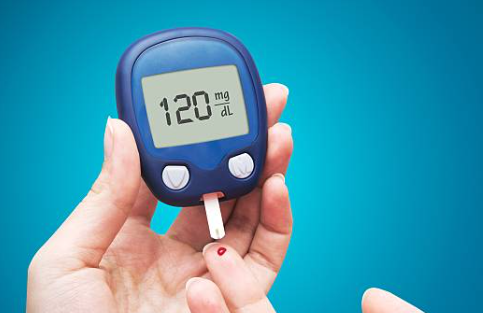
For a blood draw (venipuncture), the equipment is straightforward: a sterile needle, a syringe or vacutainer system, and collection tubes. The blood sample is then sent to a laboratory for analysis using automated machines. For immediate results, particularly for daily monitoring, a small, handheld glucometer with test strips (requiring a finger prick) is used, though this is not the "blood via injection" method you asked for.
How does the procedure work?
The test measures glucose in a blood sample. After a blood draw from your arm, the sample is sent to a lab. There, chemical reactions quantify the glucose concentration. This reflects your body's ability to regulate blood sugar, influenced by insulin and other hormones.
How is the procedure performed?
A healthcare professional draws blood, usually from a vein in your arm (venipuncture). They clean the area, apply a tourniquet, insert a sterile needle, and collect the blood. The needle is then removed, and pressure is applied to the site. The process is quick and generally well-tolerated.
What will I experience during and after the procedure?
You'll feel a brief sting or prick during the needle insertion. Some mild pressure or discomfort as blood is drawn is normal. Afterward, you might have slight soreness or a small bruise at the puncture site, which typically resolves quickly. You can usually resume normal activities and diet immediately, unless fasting was required. Serious side effects are rare.
Who interprets the results and how do I get them?
A medical laboratory analyzes your blood sample, and a detailed report is sent to your healthcare provider. Your doctor will then discuss the results with you, explain their meaning, and outline any necessary follow-up, such as lifestyle changes, medication adjustments, or further tests to monitor your condition.
Benefits
Blood sugar tests are non-invasive and radiation-free. They offer quick, direct measurement of glucose, enabling early detection and precise management of diabetes and related conditions. This helps prevent or delay severe complications like nerve damage or kidney disease, empowering better long-term health.
Risks
Risks are minimal for blood draws. These include slight pain, bruising, or lightheadedness at the puncture site. Rarely, infection or excessive bleeding can occur. These tests do not involve radiation. Inform your healthcare provider if you have bleeding disorders or a history of fainting during blood draws.
What are the limitations of a Sugar Test?
A single blood glucose reading is a snapshot; it doesn't show long-term control (for that, HbA1c is used). Results can be affected by recent meals (if not fasting), stress, illness, or certain medications. While crucial for diagnosis, tests require proper context and may necessitate follow-up for a complete picture.