
Overview of Complete Blood Count (CBC)
A Complete Blood Count (CBC) is a common blood test that provides detailed information about the three main types of cells in your blood: red blood cells (RBCs), white blood cells (WBCs), and platelets. It's a fundamental diagnostic tool that can reveal a wide range of conditions and diseases. Red blood cells are responsible for carrying oxygen throughout your body. White blood cells are crucial for your immune system, fighting off infections. Platelets are essential for blood clotting and preventing excessive bleeding. The CBC test measures the number, size, and characteristics of these cells, offering a comprehensive snapshot of your overall health and detecting potential abnormalities that might indicate underlying medical issues.
Why it's done
A CBC is performed for many reasons, serving as a versatile diagnostic and monitoring tool. It's often part of a routine medical check-up to assess general health. Doctors order a CBC to help diagnose various conditions such as anemia (low red blood cell count), infections (indicated by abnormal white blood cell counts), inflammation, and bleeding disorders (related to platelet levels). It's also used to monitor the progression of certain diseases, like cancer and chronic conditions, and to assess the effectiveness of treatments, including chemotherapy, which can affect blood cell production. If you're experiencing symptoms like fatigue, fever, bruising, or weakness, a CBC can help pinpoint the cause.
How should I prepare for the CBC?
Preparing for a Complete Blood Count (CBC) test is generally straightforward, and often no special preparation is needed. In most cases, you do not need to fast before a standard CBC test, meaning you can eat and drink as usual. However, if your doctor has ordered other blood tests at the same time that require fasting (such as a glucose or cholesterol test), you will need to follow those specific fasting instructions. It's important to inform your healthcare provider about any medications, supplements, or vitamins you are currently taking, as some can potentially influence blood cell counts. There are no specific clothing requirements; wear comfortable clothing that allows easy access to a vein in your arm.
What does the equipment look like?
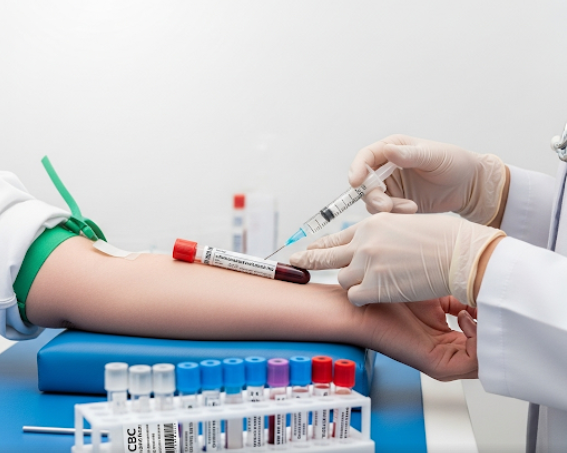
The equipment used for a CBC is standard for any routine blood draw (venipuncture). This includes a sterile needle, a syringe or a vacutainer blood collection system (which uses vacuum-sealed tubes), and specific blood collection tubes. These tubes often have different colored tops, and for a CBC, a tube with a lavender or purple top is typically used, as it contains an anticoagulant (EDTA) that prevents the blood from clotting, allowing for accurate cell counting. Additionally, an antiseptic wipe to clean the skin, a tourniquet to make veins more prominent, and cotton balls or gauze with a bandage for post-draw care are used. The collected blood is then sent to a laboratory for automated analysis.
How does the procedure work?
The CBC procedure starts with drawing a small blood sample, usually from a vein in your arm. Once collected, the blood sample is sent to a medical laboratory. There, automated hematology analyzers are used to perform the CBC. These sophisticated machines rapidly count and identify the different types of blood cells. They use various techniques, including electrical impedance and light scattering, to measure the number, size, and even the maturity of red blood cells, white blood cells, and platelets. The analyzers also calculate various parameters like hemoglobin levels (oxygen-carrying protein in RBCs) and hematocrit (percentage of blood volume occupied by RBCs), providing a comprehensive report.
How is the procedure performed?
A CBC test is performed through venipuncture, a common procedure for drawing blood. You will be seated comfortably, and a healthcare professional, such as a phlebotomist or nurse, will typically choose a vein in your arm, usually on the inside of your elbow. They will clean the area with an antiseptic solution. A tourniquet may be applied above your elbow to increase blood flow and make the vein more visible. A sterile needle is then gently inserted into the vein, and blood is collected into a specialized collection tube. Once the necessary amount of blood is obtained, the needle is withdrawn, and pressure is applied to the puncture site with a cotton ball or gauze to prevent bleeding. The entire process is quick, usually taking only a few minutes.
What will I experience during and after the procedure?
During the blood draw for a CBC, you will typically feel a brief, sharp prick or sting as the needle is inserted. Some individuals may experience a mild sensation of pressure or discomfort as the blood is being drawn. The procedure itself is usually very quick, lasting only a few minutes. After the needle is removed, light pressure will be applied to the puncture site to minimize bruising. You might experience minor soreness, tenderness, or a small bruise in the arm where the blood was drawn, which is normal and generally resolves within a day or two. You can usually resume your normal activities immediately after the test, as there are no specific post-procedure restrictions.
Who interprets the results and how do I get them?
Your blood sample for a CBC test is analyzed by medical technologists in a laboratory. Once the analysis is complete, a detailed report is generated, which is then sent to your healthcare provider, typically your general practitioner. Your doctor, who is trained to interpret these results, will review the various parameters (like red blood cell count, white blood cell count, platelet count, hemoglobin, etc.) and compare them against established normal reference ranges. They will discuss these findings with you, explain what the numbers indicate about your health, and recommend any necessary follow-up actions, such as further diagnostic tests, medication adjustments, or lifestyle changes. You can usually access your results through your doctor's office or a patient portal.
Benefits
The Complete Blood Count (CBC) offers significant benefits as a widely used and highly informative diagnostic tool. It is non-invasive and provides a rapid, comprehensive overview of your blood cell components, acting as a crucial indicator of overall health. A CBC can quickly detect various conditions, from common issues like anemia and infections to more serious disorders like certain types of cancer (e.g., leukemia) and bone marrow problems. Its versatility makes it invaluable for routine health screenings, diagnosing new symptoms, monitoring chronic diseases, and assessing a patient's response to treatment, providing vital information to guide medical decisions and improve patient outcomes.
Risks
The risks associated with a CBC test are minimal, as it involves a standard blood draw. The most common minor risks include slight pain, soreness, or bruising at the puncture site. Some individuals may experience dizziness or lightheadedness during or immediately after the blood draw, particularly if they are sensitive to needles or have a fear of blood. Very rarely, there might be a risk of infection at the puncture site if proper sterile techniques are not followed, or excessive bleeding, especially for individuals on blood-thinning medications. These are generally very safe procedures, and serious complications are exceedingly rare.
What are the limitations of a CBC?
While a CBC is a valuable diagnostic tool, it does have limitations. It provides a snapshot of your blood cells at a specific moment in time and may not always indicate the underlying cause of an abnormality. For instance, an abnormal white blood cell count might suggest an infection, but the CBC itself won't identify the specific type of infection (bacterial, viral, etc.). Similarly, a low red blood cell count indicates anemia, but further tests are needed to determine the specific type and cause of anemia. The CBC might also be affected by temporary conditions like dehydration or recent illness. Therefore, abnormal CBC results often require additional, more specific tests to arrive at a definitive diagnosis.