
Overview
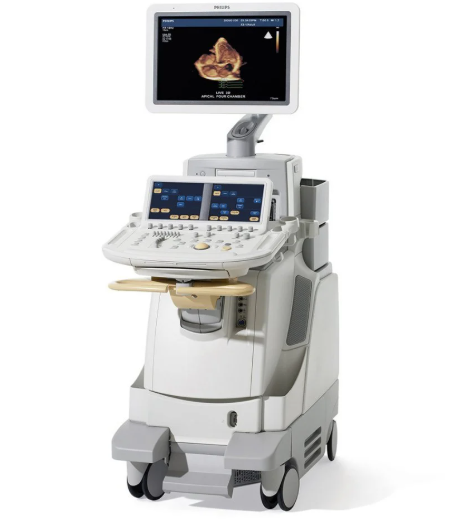
Echocardiography, commonly known as an ECHO, is a noninvasive test that uses high-frequency sound waves to create real-time images of the heart. It allows physicians to assess the heart’s size, shape, and function. It can detect abnormalities in heart valves, wall motion, congenital heart defects, fluid buildup around the heart, and more. The most common type, transthoracic echocardiography (TTE), involves placing a probe on the chest to capture images. Other variations include transesophageal echocardiography (TEE), stress echo, and 3D echocardiography. The test is painless and safe, requiring no radiation exposure. Gel is applied to the chest to improve sound wave transmission. The images help assess how well the heart pumps blood and how its valves open and close. This test is often used in emergency settings, during surgery, or for regular monitoring in chronic heart disease. ECHO can guide treatment decisions and track the effectiveness of medications or interventions. Since it poses no serious risk, it is used frequently in both children and adults. Its real-time imaging capability makes it a vital part of cardiac care and management.
Why it's done
Echocardiography is performed to evaluate heart function and structure, especially in people with symptoms such as chest pain, shortness of breath, fatigue, or palpitations. It is crucial for diagnosing heart conditions such as valve disease, heart failure, congenital defects, and pericardial effusion. ECHO provides important information about the heart’s pumping efficiency (ejection fraction), blood flow through chambers, and valve motion. It is often recommended for people with high blood pressure, abnormal ECG findings, or known heart murmurs. It’s also used before and after cardiac surgery to evaluate outcomes. In patients receiving chemotherapy, periodic echocardiograms can help monitor for heart damage. Stress echocardiograms help detect coronary artery disease by evaluating heart function during physical exertion or medication-induced stress. ECHO can be part of routine health evaluations in people with a family history of cardiac disease. By identifying heart problems early, echocardiography helps doctors initiate treatment sooner, improving patient outcomes. Because it’s noninvasive, safe, and widely available, ECHO is one of the first tests doctors order when heart issues are suspected.
Risks
Echocardiography is a very safe procedure with minimal to no associated risks. A standard transthoracic echocardiogram (TTE) is completely noninvasive and does not use radiation, making it suitable for all ages, including pregnant women and children. The most discomfort patients might feel is from the slight pressure of the probe on the chest. In the case of transesophageal echocardiography (TEE), where the probe is inserted into the esophagus, mild sedation is used. Risks here are minimal but may include sore throat, gagging, or in rare cases, injury to the esophagus. Stress echocardiography may involve physical exertion or medications to stimulate the heart, and can occasionally cause dizziness, arrhythmia, or chest discomfort, particularly in individuals with existing heart disease. However, these tests are closely monitored in a controlled setting with medical supervision. Allergic reactions to contrast agents are rare and usually mild. Overall, the benefits of accurate heart assessment far outweigh the extremely low risk. It’s always important to discuss any concerns with your healthcare provider before undergoing the test.
How you prepare
Preparation for an echocardiogram is generally minimal. For a transthoracic echocardiogram (TTE), no special preparation is needed—you may eat and take your medications as usual. Wear loose, comfortable clothing, and you may be asked to change into a gown. Avoid using lotions, powders, or oils on the chest on the day of the test, as they can interfere with the ultrasound gel. For a transesophageal echocardiogram (TEE), you will likely need to fast for 4–6 hours before the procedure, and arrange for someone to drive you home afterward due to sedation. In stress echocardiograms, you may be asked to avoid caffeine or certain medications beforehand. Inform your doctor about any medical conditions, allergies, or medications you’re taking. Bring past imaging records if available, especially if the test is being done at a new facility. Being informed and following instructions ensures that the test produces accurate results and goes smoothly. If you have anxiety about procedures or questions about sedation or side effects, be sure to discuss them in advance.
What you expect
During the test
During a transthoracic echocardiogram (TTE), you’ll lie on your back or left side on an exam table. A technician will apply gel to your chest and move a transducer (probe) over specific areas. The gel helps sound waves travel from the probe into your body. You may be asked to change positions or hold your breath briefly. Images of your heart will appear in real time on a monitor. The procedure typically takes 30–45 minutes. For transesophageal echocardiography (TEE), a probe is passed through your mouth into the esophagus. You’ll receive a sedative and throat-numbing spray. Though it may feel uncomfortable, it is not painful and is monitored closely. In a stress echocardiogram, you will exercise on a treadmill or receive medication to increase your heart rate, while heart images are taken before and after stress.
After the test
After a TTE, you can immediately return to normal activities. There are no restrictions or recovery requirements. The gel is wiped off, and you may dress and leave. For TEE, due to sedation, you will be monitored until fully awake. You may have a mild sore throat for a few hours. Avoid eating or drinking until numbness wears off. After stress echo, you’ll be monitored briefly for safety. The technician will ensure image quality before you're discharged. You’ll be contacted if additional imaging is needed.
Results
The results of an echocardiogram are interpreted by a cardiologist or radiologist trained in cardiac imaging. They will evaluate the size and function of heart chambers, valve structure and motion, and any abnormal findings such as fluid, clots, or wall motion issues. The results are usually available within a few days and sent to your referring physician. Your doctor will discuss the findings and recommend any further tests or treatments if needed. Sometimes, follow-up echocardiograms are advised to monitor ongoing conditions like heart failure or valve disease. If the results are unclear, additional imaging or advanced testing may be recommended. Understanding your ECHO results helps in planning next steps for diagnosis or treatment.