
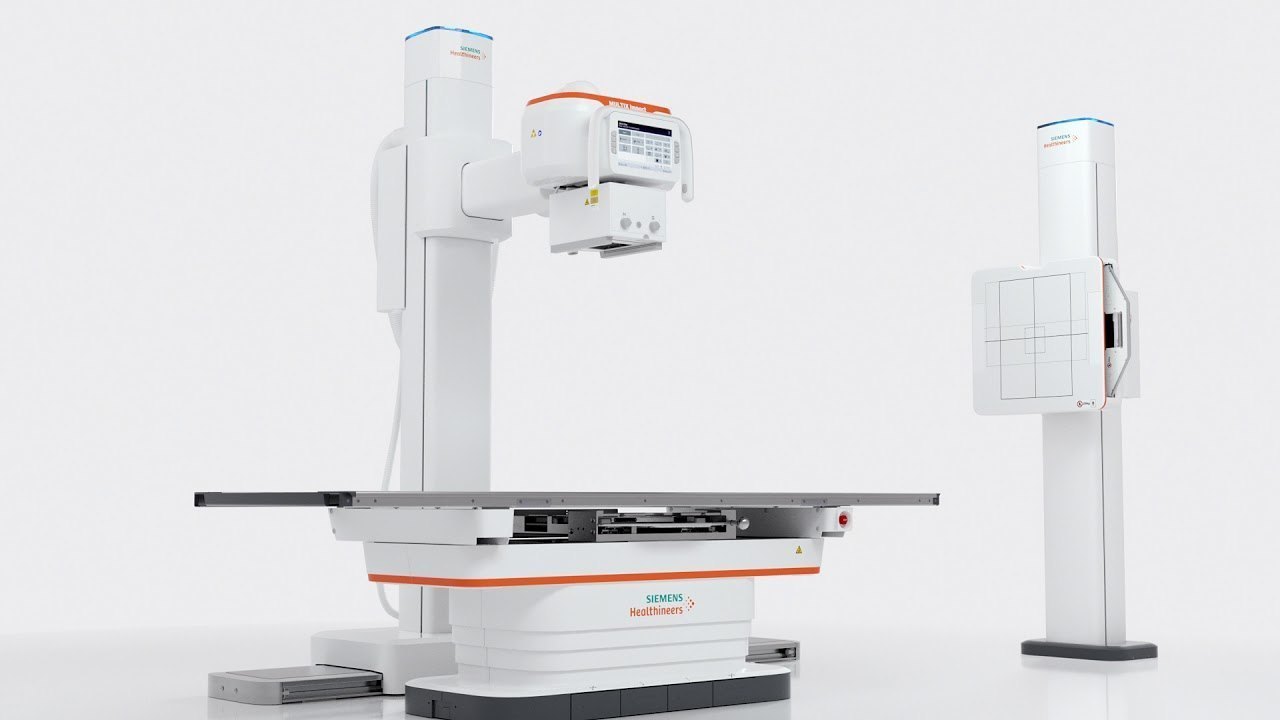
Overview of X-ray Elbow
An X-ray of the elbow is a common and quick diagnostic imaging test that uses a small amount of ionizing radiation to create images of the bones forming the elbow joint. The elbow is a complex hinge joint connecting three bones: the upper arm bone (humerus) and the two forearm bones (radius and ulna). X-rays are particularly effective at visualizing dense structures like bones, making them invaluable for assessing bone integrity, alignment, and the presence of any fractures, dislocations, or degenerative changes. The images appear in black and white, with bones showing up as white, and the surrounding soft tissues (which are less dense) appearing in shades of gray. This non-invasive procedure provides essential information about the condition of the elbow's skeletal structure, helping healthcare providers diagnose causes of elbow pain, swelling, limited motion, or injury.
Why an X-ray Elbow is Done
An X-ray of the elbow is performed for various diagnostic reasons, primarily to investigate pain, swelling, limited range of motion, or injury to the elbow joint. It is commonly ordered to diagnose the cause of acute elbow pain following trauma (e.g., falls, sports injuries) to check for fractures of the humerus, radius, or ulna, or dislocations of the elbow joint. It is also crucial for evaluating chronic elbow pain, as it can reveal signs of arthritis (such as osteoarthritis or rheumatoid arthritis), which is characterized by narrowing of the joint space, bone spurs (osteophytes), or changes in bone density. The X-ray can help assess the alignment of the elbow bones, identify signs of infection, or detect bone tumors. Furthermore, elbow X-rays are used to monitor the healing of fractures, assess the progression of known arthritic conditions, or check the positioning of surgical hardware after procedures.
Risks
An X-ray of the elbow involves exposure to a small amount of ionizing radiation. While this radiation carries a very small theoretical risk of cell damage that could potentially lead to cancer later in life, the diagnostic benefits of obtaining crucial information about the elbow condition typically far outweigh this minimal risk for most patients. Modern X-ray equipment is designed to precisely target the elbow joint and minimize radiation exposure while still yielding high-quality diagnostic images. The radiation dose from a single elbow X-ray is generally considered to be very low, comparable to a few days of natural background radiation exposure. It is absolutely critical for pregnant women or those who suspect they might be pregnant to inform their doctor and the X-ray technologist before the procedure. Although the direct radiation to the fetus is minimal when imaging the elbow, protective measures such as a lead apron are always used, or alternative imaging methods may be considered if appropriate, to ensure the safety of the developing fetus. The procedure itself is non-invasive and painless.
How You Prepare
Preparing for an X-ray of the elbow is typically simple and requires minimal effort from the patient. Generally, there are no fasting requirements, so you can eat and drink normally before the procedure. You typically do not need to discontinue any medications. The most important aspect of preparation is to remove any metal objects from your arm, wrist, and hand area that could interfere with the X-ray images, as metal can block the X-rays and obscure important details. This includes jewelry (rings, bracelets, watches), and clothing items with metal fasteners like zippers, buttons, or snaps that would be in the field of view. You may be asked to change into a hospital gown. It is essential to inform your doctor and the X-ray technologist if you are pregnant or suspect you might be, so that appropriate precautions, such as lead shielding, can be taken, or the procedure may be postponed if not urgently needed, to ensure the safety of the developing fetus.
What You Can Expect
Before the Test
Before your elbow X-ray, you will typically be asked to remove any clothing or jewelry that contains metal from your arm, wrist, and hand. These items can block the X-rays and obscure important details on the images. You may be provided with a hospital gown. The X-ray technologist will explain the procedure and answer any questions you may have. It is extremely important to inform the technologist if you are pregnant or think you might be pregnant. In such cases, special precautions, such as the use of lead shielding over your abdomen, will be taken to protect the fetus from radiation exposure, or an alternative imaging study may be considered if appropriate. No other specific preparation, such as fasting, is usually required. The technologist will guide you to the X-ray room and help you position your arm and elbow correctly for the images.
During the Test
During an elbow X-ray, you will be carefully positioned by a trained X-ray technologist. You will typically be asked to sit or lie on an X-ray table, and your arm will be positioned in various ways to capture different views of the elbow joint. Common views include a front view (anteroposterior or AP), a side view (lateral), and sometimes oblique views to better visualize specific bones or detect subtle fractures. The technologist will position your arm and elbow precisely for each view and may use positioning aids like foam blocks. You will be asked to hold very still for a few seconds during each X-ray exposure to prevent blurring of the image. You will hear a click or buzzing sound as the X-ray machine operates, but you will not feel anything during the X-ray exposure itself. The entire process is very quick, usually lasting only a few minutes.
Results
After your elbow X-ray is completed, the images will be sent to a radiologist, a medical doctor specially trained in interpreting X-ray and other imaging studies. The radiologist will carefully examine the bones forming the elbow joint (humerus, radius, and ulna) for any fractures, dislocations, or signs of bone degeneration. They will also assess the alignment of the joint, the width of the joint space, and look for bone spurs, signs of arthritis (like joint space narrowing or erosions), infections, or bone tumors. A detailed report of these findings will then be prepared and sent to your referring healthcare provider, usually within a few days. Your doctor will then discuss the results with you, explain what they mean for your elbow pain or condition, and recommend any necessary further tests (such as MRI if soft tissue structures like ligaments or tendons need evaluation), treatments, or management plans based on the X-ray findings. In emergency situations, preliminary results may be communicated to your doctor more quickly.