
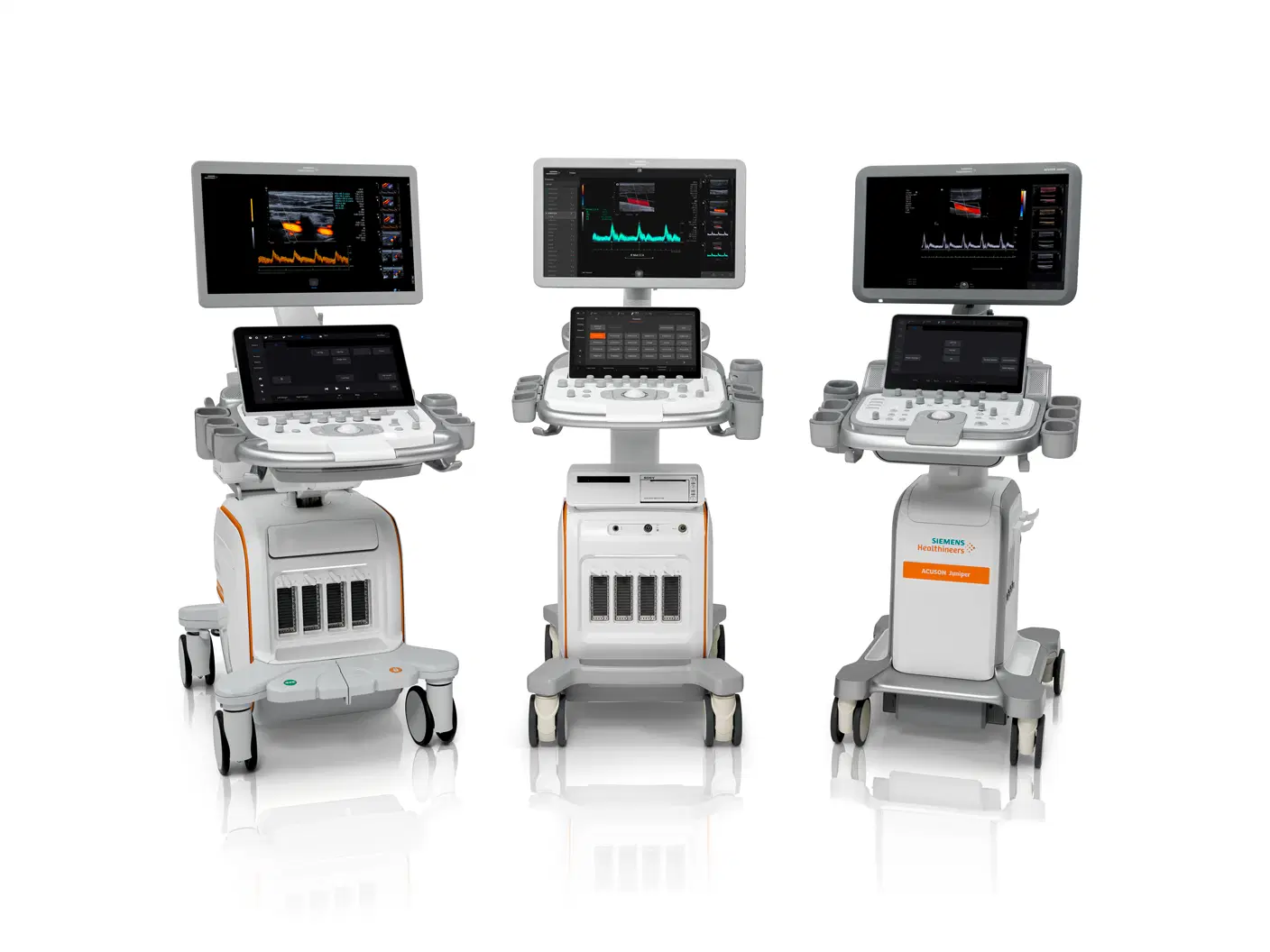
Overview of Sonography - Transvaginal
Transvaginal sonography, also known as endovaginal ultrasound, is a specialized medical imaging technique used exclusively for women to obtain highly detailed images of the pelvic organs. Unlike traditional transabdominal ultrasound where the transducer is placed on the abdomen, for a transvaginal scan, a smaller, specially designed ultrasound transducer is gently inserted into the vagina. This close proximity to the uterus, ovaries, and fallopian tubes allows for clearer and more precise visualization of these structures, often providing greater detail than an abdominal scan, especially for small abnormalities. The procedure uses high-frequency sound waves, not ionizing radiation, making it a safe method for diagnostic purposes. It is particularly useful in evaluating gynecological conditions, early pregnancy, and fertility issues, offering a superior resolution for fine details.
Why Transvaginal Sonography is Done
Transvaginal sonography is performed to diagnose and evaluate a wide array of conditions affecting the female reproductive organs, often when a transabdominal ultrasound does not provide sufficient detail. It is commonly used to investigate causes of pelvic pain, abnormal vaginal bleeding, menstrual irregularities, and infertility. Its superior resolution allows for precise detection and characterization of uterine fibroids, endometrial polyps, ovarian cysts, and other masses. It is invaluable in early pregnancy to confirm viability, determine gestational age, detect ectopic pregnancies, or assess for miscarriage. For fertility evaluations, it monitors follicular development during ovulation induction. In cases of suspected endometriosis or pelvic inflammatory disease, TVS can offer crucial diagnostic information. Its direct proximity to the organs provides high-resolution images, making it an indispensable tool for detailed gynecological assessment and effective treatment planning.
Risks
Transvaginal sonography is considered a very safe diagnostic procedure with minimal risks. Like all ultrasound techniques, it uses high-frequency sound waves rather than ionizing radiation, meaning there is no exposure to harmful radiation. This makes it a preferred and safe option for repeated examinations, especially for pregnant women. The procedure is minimally invasive, involving the gentle insertion of a sterile, condom-covered transducer into the vagina. While some women may experience mild discomfort or pressure during the insertion or manipulation of the probe, it is generally well-tolerated and not typically painful. There is an extremely low risk of infection, as sterile sheaths are used for each patient. Allergic reactions or other serious complications are exceedingly rare. Overall, the benefits of the detailed diagnostic information obtained from a transvaginal ultrasound far outweigh the negligible risks involved, making it a safe and effective tool for gynecological and early obstetric assessment.
How You Prepare
Preparation for a transvaginal sonography is generally simple and aims to ensure patient comfort and optimal image quality. Unlike a transabdominal pelvic ultrasound, a full bladder is usually not required, and in most cases, a partially empty bladder or an empty bladder is preferred for better visualization of the uterus and ovaries, as a very full bladder can sometimes push these organs out of the optimal viewing field for the transvaginal probe. You will typically be asked to empty your bladder right before the procedure. There are no fasting requirements for this test. It is advisable to wear comfortable, loose-fitting clothing that can be easily adjusted. You may be asked to remove clothing from the waist down and will be provided with a gown or drape for privacy. Inform your healthcare provider or the sonographer about any allergies, especially to latex if the probe cover contains it, and any discomfort you anticipate.
What You Can Expect
Before the Test
Before your transvaginal sonography, you will be given specific instructions by your healthcare provider or the imaging center. Generally, you will be asked to empty your bladder just before the procedure, as a very full bladder can sometimes obscure views during a transvaginal scan, unlike a transabdominal one. There are no specific dietary restrictions, so you do not need to fast. You should wear comfortable, loose-fitting clothing. Upon arrival, you will likely be asked to change into a gown and lie on an examination table, typically with your feet in stirrups, similar to a gynecological exam. The sonographer or nurse will explain the procedure and answer any questions you may have, ensuring you feel as comfortable as possible before the scan begins. Communicating any anxieties or discomfort beforehand can help the medical team provide appropriate support.
During the Test
During a transvaginal sonography, you will lie on your back on an examination table, often with your knees bent and feet in stirrups. The sonographer will cover a thin, sterile transvaginal transducer (about the size of a tampon) with a disposable latex or non-latex sheath, and a small amount of lubricating gel will be applied. The sonographer will then gently insert the transducer a few inches into your vagina. You may feel some pressure or a slight discomfort during insertion, but it should not be painful. The sonographer will gently move the transducer to obtain various views of your uterus, ovaries, and fallopian tubes, and assess blood flow. You might be asked to change position slightly or breathe shallowly to aid in visualization. Real-time images will be displayed on a monitor. The entire scan typically lasts between 15 to 30 minutes, depending on the complexity of the examination.
Results
After your transvaginal sonography is completed, the transducer will be gently removed, and you will be able to get dressed. The images captured during the examination will then be thoroughly reviewed and interpreted by a radiologist, a medical doctor specializing in interpreting imaging tests. The radiologist will analyze the size, shape, and structure of your uterus, ovaries, and other pelvic structures, looking for any abnormalities such as cysts, fibroids, polyps, tumors, or signs of inflammation. A detailed report of these findings will then be prepared and securely sent to your referring healthcare provider, usually within a few days. Your doctor will then discuss the results with you, explain what they mean for your health, and recommend any necessary further tests, treatments, or management plans based on the precise information obtained from the transvaginal ultrasound. In some cases, if urgent findings are identified, preliminary results may be communicated to your doctor promptly for immediate action.