
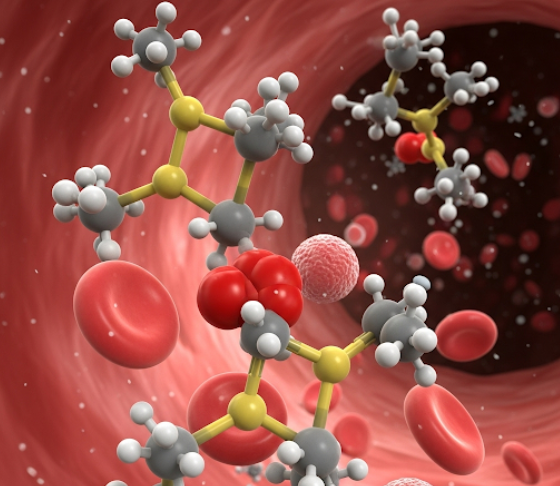
Overview of Triglycerides
Triglycerides are a fundamental type of fat, or lipid, that circulates within your bloodstream, playing a crucial role as your body's primary form of stored energy. When you consume more calories than your immediate energy needs, your body efficiently converts these surplus calories into triglycerides. These triglycerides are then transported and meticulously stored within your fat cells, serving as readily available energy reserves for future use. Between meals or during periods of physical activity, hormones are released that signal these stored triglycerides to be mobilized from fat cells and utilized as fuel. While essential for energy, maintaining healthy triglyceride levels is critical. Elevated concentrations can significantly contribute to the hardening and narrowing of arteries, a process known as atherosclerosis, which is a leading cause of cardiovascular diseases. Therefore, understanding and managing your triglyceride levels is an integral part of assessing and preserving your overall cardiovascular health.
Why the Triglyceride Test is Done
A triglyceride test is an indispensable component of a comprehensive lipid panel, a diagnostic tool primarily employed to meticulously assess an individual's intrinsic risk for developing cardiovascular diseases, including heart attack and stroke. This test serves multiple vital purposes. Firstly, it helps in gauging your predisposition to atherosclerosis, where high triglyceride levels can contribute to plaque formation in arteries. Secondly, elevated triglycerides are often associated with, or indicative of, other underlying medical conditions such as poorly controlled diabetes, obesity, various forms of kidney disease, certain liver dysfunctions, and an underactive thyroid (hypothyroidism). Thirdly, for individuals already undergoing treatment to lower their lipid levels, this test offers a critical means to accurately monitor the effectiveness of prescribed medications or implemented lifestyle modifications. Furthermore, in cases of extremely high triglyceride levels (e.g., above 500 mg/dL), the test can aid in diagnosing or assessing the risk of acute pancreatitis, a severe and painful inflammation of the pancreas, highlighting its broader diagnostic utility beyond just cardiovascular risk assessment.
Risks Associated with High Triglycerides
Consistently elevated triglyceride levels pose significant health risks, often silently progressing without noticeable symptoms until severe complications arise. The most prominent danger is their contribution to atherosclerosis, the insidious process of plaque buildup within arterial walls. This hardening and narrowing of arteries significantly increases the likelihood of devastating cardiovascular events such as heart attacks and strokes. Beyond cardiovascular concerns, extremely high triglyceride levels, typically those exceeding 500 mg/dL, carry a substantial risk of triggering acute pancreatitis, a severe and life-threatening inflammation of the pancreas that can cause intense abdominal pain and systemic complications. Furthermore, chronic high triglycerides are frequently associated with the development of fatty liver disease, where excessive fat accumulates in the liver, potentially leading to inflammation and liver damage. They are also a key component of metabolic syndrome, a cluster of conditions that collectively elevate the risk of Type 2 Diabetes, heart disease, and stroke. Early detection through testing is thus crucial to prevent these serious consequences.
How to Prepare for the Triglyceride Test
Proper preparation is absolutely critical for ensuring the accuracy and reliability of your triglyceride test results, as these levels can be significantly influenced by recent dietary intake. The most important directive is typically to fast for a period of 9 to 12 hours before your scheduled blood draw. This means you must abstain from all food and beverages during this time, with plain water being the only permissible intake. Strict adherence to this fasting protocol is paramount because any caloric intake, particularly from fats and sugars, can temporarily inflate your triglyceride levels, leading to an inaccurate reading. Additionally, it is generally recommended to avoid alcohol consumption and smoking for at least 24 hours prior to the test, as both can also influence triglyceride levels. It is also vital to inform your healthcare provider about all medications, dietary supplements, and vitamins you are currently taking, as some substances can impact lipid metabolism and potentially alter your results. Always meticulously follow the specific instructions provided by your doctor or the laboratory to ensure the most precise and meaningful outcome from your test.
What You Can Expect
Before the Test
Prior to your scheduled triglyceride test, your primary responsibility will be to diligently adhere to the preparation guidelines to ensure the accuracy of your results. This most crucially involves completing the required fasting period, which is typically 9 to 12 hours. During this time, you must not consume any food or drink other than plain water. It is also strongly advised to abstain from alcohol for at least 24 hours before the test, as well as avoiding any strenuous physical activity on the day of the test itself. Before your blood draw, confirm that your healthcare provider is aware of all medications, supplements, and vitamins you are currently taking, as some of these can influence your lipid levels. Arriving at the clinic or laboratory well-rested and prepared will contribute to a smooth testing experience.
During the Test
During the triglyceride test, you will experience a standard and relatively quick blood collection procedure. You will be comfortably seated, typically in a phlebotomy chair that allows easy access to your arm. A skilled healthcare professional, such as a phlebotomist or a nurse, will meticulously identify a suitable vein, usually located on the inside of your elbow or, occasionally, on the back of your hand. The chosen skin area will be thoroughly cleansed with an antiseptic wipe to ensure sterility and minimize any risk of infection. To make the vein more prominent and facilitate the blood draw, a tourniquet might be gently applied around your upper arm. Once the vein is clearly visible and prepared, a sterile, single-use needle will be carefully inserted. You will likely feel a brief, sharp prick or a stinging sensation as the needle enters the vein. Blood will then be steadily drawn into one or more collection tubes. The actual blood collection process is generally very swift, typically concluding within just a few minutes.
Results
After your blood sample for the triglyceride test is collected, it is promptly sent to a certified medical laboratory for meticulous analysis. Laboratory technologists will precisely measure the concentration of triglycerides in your blood. The results, typically expressed in milligrams per deciliter (mg/dL) or millimoles per liter (mmol/L), are then compiled into a report and sent to your healthcare provider, usually within a few days. Your doctor will interpret these results in the context of established reference ranges for adults: normal (less than 150 mg/dL), borderline high (150-199 mg/dL), high (200-499 mg/dL), and very high (500 mg/dL or above). They will then discuss these findings with you, explaining what your triglyceride levels indicate about your cardiovascular risk and overall health. Based on these results and your personal health profile, your doctor will recommend appropriate follow-up actions, which may include dietary adjustments, lifestyle modifications (like exercise and weight management), or the initiation or adjustment of medication to help manage your triglyceride levels and mitigate associated health risks.