
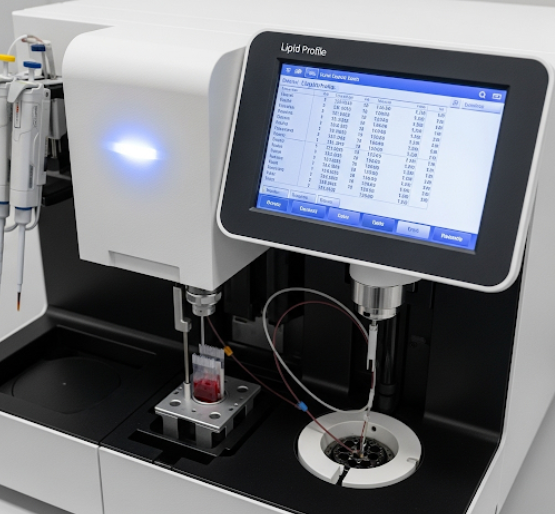
Overview of Lipid Profile Test
A lipid profile test, also known as a lipid panel, is a blood test that measures the levels of different types of fats (lipids) in your blood. These lipids include total cholesterol, High-Density Lipoprotein (HDL) cholesterol (often called "good" cholesterol), Low-Density Lipoprotein (LDL) cholesterol (often called "bad" cholesterol), and triglycerides. Cholesterol and triglycerides are vital for bodily functions, but unhealthy levels can increase the risk of heart disease and stroke. This non-invasive test provides a comprehensive assessment of your cardiovascular risk, helping doctors identify potential issues before they lead to serious health problems. It's a key tool in preventive healthcare, especially for individuals at risk of heart conditions.
Why it's done
A lipid profile test is primarily done to assess an individual's risk of developing cardiovascular diseases, such as heart attack and stroke. It's often recommended as part of routine health screenings, particularly for adults over 20, and more frequently for those with risk factors like a family history of heart disease, high blood pressure, diabetes, smoking, or obesity. The test helps diagnose dyslipidemia (abnormal lipid levels), monitor the effectiveness of lifestyle changes (diet, exercise) or medications (statins) aimed at lowering cholesterol, and guide treatment decisions. If you've been diagnosed with high cholesterol, regular lipid profiles are crucial for managing your condition and preventing complications.
How should I prepare for the Lipid Profile Test?
Preparation for a lipid profile test is crucial for accurate results. You will typically be required to **fast for 9 to 12 hours** before the blood test. This means refraining from all food and drinks, except for water. It's important to clarify specific fasting instructions with your healthcare provider, as sometimes a non-fasting test might be ordered, but this is less common for a full lipid profile. You should continue to take your regular medications unless specifically advised by your doctor. Avoid alcohol consumption for at least 24-48 hours before the test, as it can temporarily increase triglyceride levels. Inform your doctor about any supplements, as some can affect lipid levels.
What does the equipment look like?
The equipment for a lipid profile test begins with the standard tools for a blood draw (venipuncture): a sterile needle, a syringe or vacutainer system, and collection tubes. For a lipid profile, blood is typically collected in a plain red-top tube or a gel-separator tube (SST) that allows the serum to separate from the blood cells. After collection, the blood samples are transported to a medical laboratory. There, sophisticated automated chemistry analyzers are used. These machines are large, intricate devices with robotic arms, reagent compartments, and detection systems that measure the concentrations of cholesterol (total, HDL, LDL) and triglycerides in the serum, providing precise numerical results.
How does the procedure work?
The procedure for a lipid profile test involves drawing a blood sample, usually from a vein in your arm, after the required fasting period. Once collected, the blood sample is sent to a clinical laboratory. In the lab, the sample is spun in a centrifuge to separate the serum (the liquid part of the blood) from the blood cells. The serum, which contains the lipids, is then analyzed using automated chemistry analyzers. These machines employ various enzymatic reactions that produce color changes or other measurable signals proportional to the concentration of total cholesterol, HDL, LDL, and triglycerides. The results are then calculated and reported, giving a comprehensive breakdown of your lipid levels.
How is the procedure performed?
A lipid profile test is performed through venipuncture, a routine blood collection method. You will be seated comfortably, and a healthcare professional, such as a phlebotomist or nurse, will choose a suitable vein, usually in the crook of your arm. They will clean the skin with an antiseptic wipe. A tourniquet might be applied above your elbow to make the vein more prominent. A sterile needle is then gently inserted into the vein, and blood is drawn into specific collection tubes. After enough blood is collected, the needle is carefully removed, and pressure is applied to the puncture site with cotton or gauze to prevent bruising. The entire process typically takes only a few minutes.
What will I experience during and after the procedure?
During the blood draw for a lipid profile, you will generally feel a quick, sharp prick or sting as the needle is inserted into your vein. Some individuals may experience mild pressure or a brief sensation of discomfort while the blood is being drawn. The procedure is usually very fast, lasting only a couple of minutes. After the needle is removed, light pressure will be applied to the puncture site to help stop any bleeding and prevent bruising. You might experience minor soreness, tenderness, or a small bruise in the arm where the blood was drawn, which is normal and typically resolves within a day or two. After the test, you can usually resume your normal activities and eat if you were fasting.
Who interprets the results and how do I get them?
The blood sample for your lipid profile is analyzed by laboratory technicians, and a detailed report is generated. This report is then sent to your healthcare provider, often your family doctor or a cardiologist. Your doctor, who specializes in interpreting these medical results, will review your total cholesterol, HDL, LDL, and triglyceride levels. They will compare your results against standard reference ranges and consider your overall health, medical history, and any existing risk factors. Your doctor will then discuss these findings with you, explain what your lipid levels mean for your cardiovascular health, and recommend appropriate steps, which could include dietary changes, exercise, or medication.
Benefits
The lipid profile test offers significant benefits as a crucial tool for cardiovascular health assessment and prevention. It's a non-invasive way to identify abnormal lipid levels, which are major risk factors for heart disease and stroke, often before symptoms appear. Early detection allows for timely interventions, such as lifestyle modifications (diet and exercise) or medication, to manage cholesterol and triglyceride levels effectively. This proactive approach can significantly reduce the risk of serious cardiac events. The test also helps monitor the effectiveness of treatments and track progress, empowering individuals and their doctors to make informed decisions for long-term heart health.
Risks
The risks associated with a lipid profile test are minimal, as it involves a routine blood draw. The most common minor risks include slight pain or soreness at the injection site, minor bruising, or lightheadedness, particularly for individuals who are sensitive to needles or prone to fainting. In very rare instances, there might be a small risk of infection at the puncture site if proper sterile techniques are not strictly followed, or excessive bleeding, especially for individuals who are taking anticoagulant medications. These complications are uncommon and typically mild, resolving quickly without long-term issues.
What are the limitations of a Lipid Profile Test?
While highly informative, a lipid profile test has some limitations. It provides a snapshot of lipid levels at the time of the blood draw and can be influenced by recent dietary intake (especially if fasting instructions weren't followed), acute illness, stress, or certain medications. The test indicates the *levels* of lipids but doesn't always reveal the specific *causes* of abnormal levels, which might require further genetic or metabolic testing. For example, high triglycerides could be due to diet, genetics, or other underlying conditions. Additionally, individual risk for heart disease is complex and involves more than just lipid levels; factors like inflammation, blood pressure, and family history also play significant roles.