
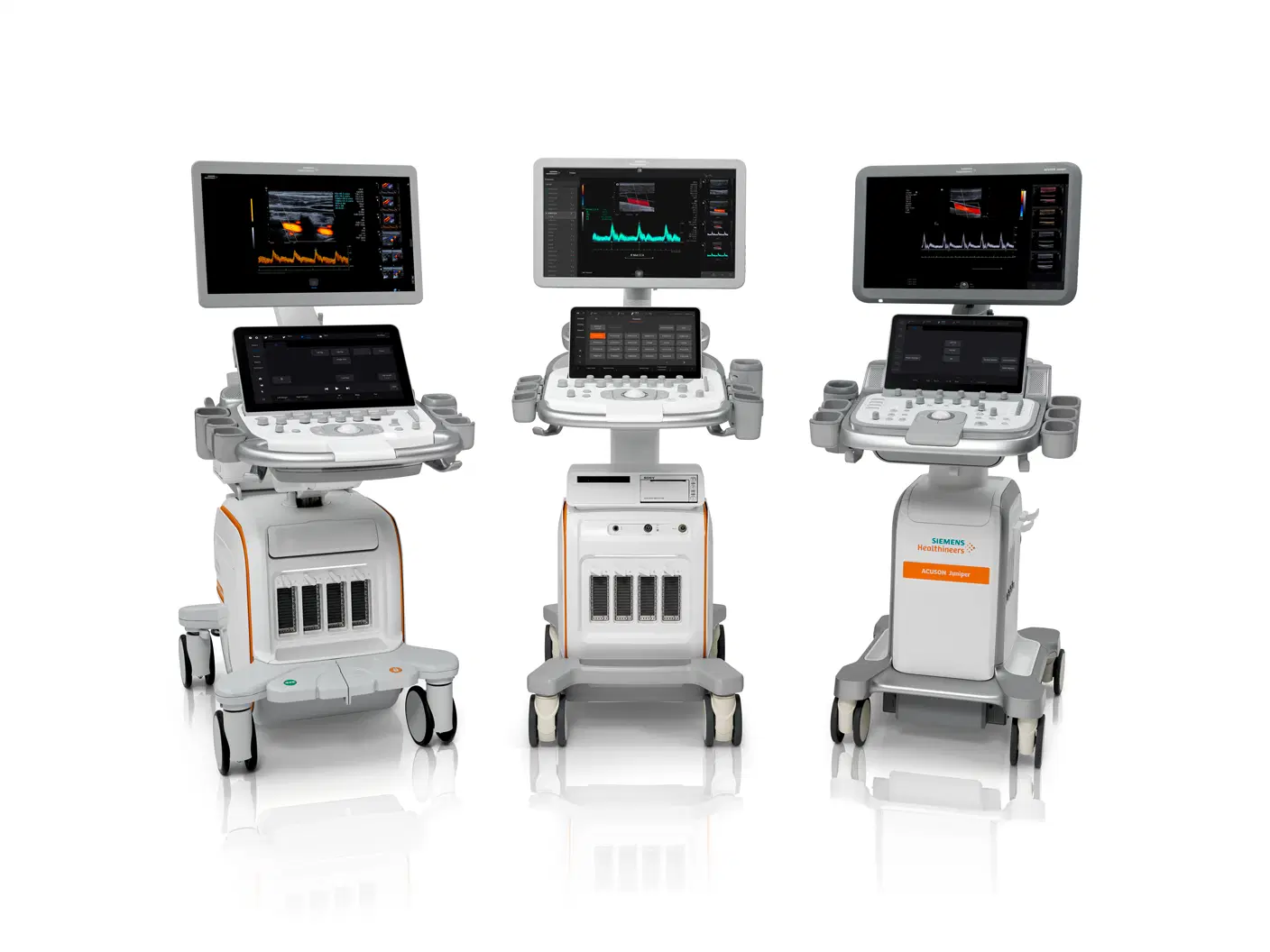
Overview of Sonography - Target Scan
A Sonography Target Scan, also known as a focused ultrasound or targeted ultrasound, is a specialized medical imaging procedure that concentrates on a specific organ, area of the body, or a previously identified abnormality. Unlike a general ultrasound (e.g., whole abdomen or full pelvis), which surveys a broad region, a target scan is highly precise, aiming to provide detailed images and information about a particular concern. For instance, if a previous scan or clinical examination detected a mass in the liver or a cyst in the kidney, a target scan would be performed to thoroughly evaluate that specific lesion. This technique utilizes high-frequency sound waves to create real-time images, offering detailed views of the size, shape, internal structure, and blood flow characteristics of the target area. Its non-invasive nature and lack of ionizing radiation make it a safe and efficient tool for focused diagnostic assessment and monitoring.
Why a Sonography Target Scan is Done
A Sonography Target Scan is performed primarily to provide a more detailed and conclusive evaluation of a specific area of concern identified by a previous imaging study (like a general ultrasound, CT scan, or MRI), physical examination, or laboratory test. Its main purpose is to precisely characterize an abnormality, such as a cyst, tumor, stone, or inflammation, by assessing its size, internal features (solid, cystic, mixed), and vascularity (blood flow). For example, if a general abdominal ultrasound reveals a liver lesion, a targeted liver ultrasound would be done to closely examine that lesion. It is also used for monitoring known conditions, such as the growth of fibroids, the resolution of inflammation, or changes in tumor size in response to treatment. Additionally, a target scan can guide interventional procedures like biopsies or fluid aspirations, ensuring precise needle placement. This focused approach enhances diagnostic accuracy and aids in formulating appropriate management plans.
Risks
Sonography, including a targeted scan, is considered an extremely safe diagnostic procedure with virtually no known risks. It relies entirely on high-frequency sound waves to create images, distinguishing it from imaging techniques like X-rays or CT scans that use ionizing radiation. This fundamental difference means there is no exposure to harmful radiation, making ultrasound a preferred and safe method for repeated examinations, and particularly for vulnerable populations such as pregnant women and children. The procedure itself is non-invasive, meaning it involves no needle insertions, surgical incisions, or the administration of contrast dyes, thereby eliminating associated risks like infection, bleeding, or allergic reactions to contrast agents. Patients may feel some mild pressure or a sensation from the transducer on their skin or from the gel applied, but this is generally well-tolerated and not described as painful. Therefore, a sonography target scan carries no significant health risks to the patient.
How You Prepare
Preparation for a Sonography Target Scan depends entirely on the specific body part or organ being examined. Unlike a full abdominal ultrasound that usually requires fasting, a targeted scan may or may not necessitate specific preparation. For example, if the target scan is on the gallbladder or pancreas, you will likely be asked to fast for 6 to 8 hours beforehand to ensure optimal visibility, as food and gas can obstruct the view. If the target is a pelvic structure (e.g., ovaries, uterus, bladder), you might need to arrive with a full bladder, achieved by drinking several glasses of water an hour before the test and refraining from urinating. For other areas, like the thyroid, breast, or musculoskeletal structures, typically no special preparation is needed. Always ensure you follow the specific instructions provided by your healthcare provider or the imaging center, and inform them of any medications you are taking, as well as any allergies.
What You Can Expect
Before the Test
Before your Sonography Target Scan, you will receive specific preparation instructions, which are crucial for ensuring the best possible image quality for the targeted area. These instructions will vary significantly depending on which part of your body is being examined. For instance, if the target is an abdominal organ like the gallbladder or liver, you will likely need to fast for 6 to 8 hours before the scan. If the target is in the pelvis, you might be instructed to drink several glasses of water (e.g., 32 ounces or 1 liter) about an hour before your appointment and hold your urine to ensure a full bladder. For other areas, like superficial structures (e.g., neck, breast, or limbs), generally no specific preparation is required. Always clarify any doubts regarding preparation with your healthcare provider or the imaging center. Dress in comfortable, loose-fitting clothing.
During the Test
During a Sonography Target Scan, you will typically lie on an examination table, and the specific position will depend on the area being targeted. A warm, water-based gel will be applied to the skin over the area of interest. This gel helps the transducer (a small, handheld device) make good contact with your skin and allows the sound waves to transmit effectively. The sonographer will then press the transducer firmly against your skin, moving it around to obtain various views of the targeted structure or abnormality. You might feel some pressure or movement, but the procedure is generally painless. Depending on the area, you may be asked to hold your breath for short periods or change positions to improve visualization. The images will be displayed in real-time on a monitor, which the sonographer observes and captures for the radiologist's review. The duration of the scan can vary but typically ranges from 15 to 30 minutes, depending on the complexity of the targeted area.
Results
After your Sonography Target Scan is completed, the gel will be wiped off your skin. The images captured during the examination will then be reviewed and interpreted by a radiologist, a medical doctor specializing in interpreting medical imaging. The radiologist will meticulously analyze the targeted area, assessing the size, shape, internal characteristics, and vascularity of the abnormality or structure of concern. A detailed report of these findings will then be prepared and sent to your referring healthcare provider, usually within a few days. Your doctor will then discuss the results with you, explain what the findings mean for your health, and recommend any necessary further tests, treatments, or management plans based on the precise information obtained from the targeted ultrasound. In some cases, if urgent findings are identified, preliminary results may be communicated to your doctor promptly.