
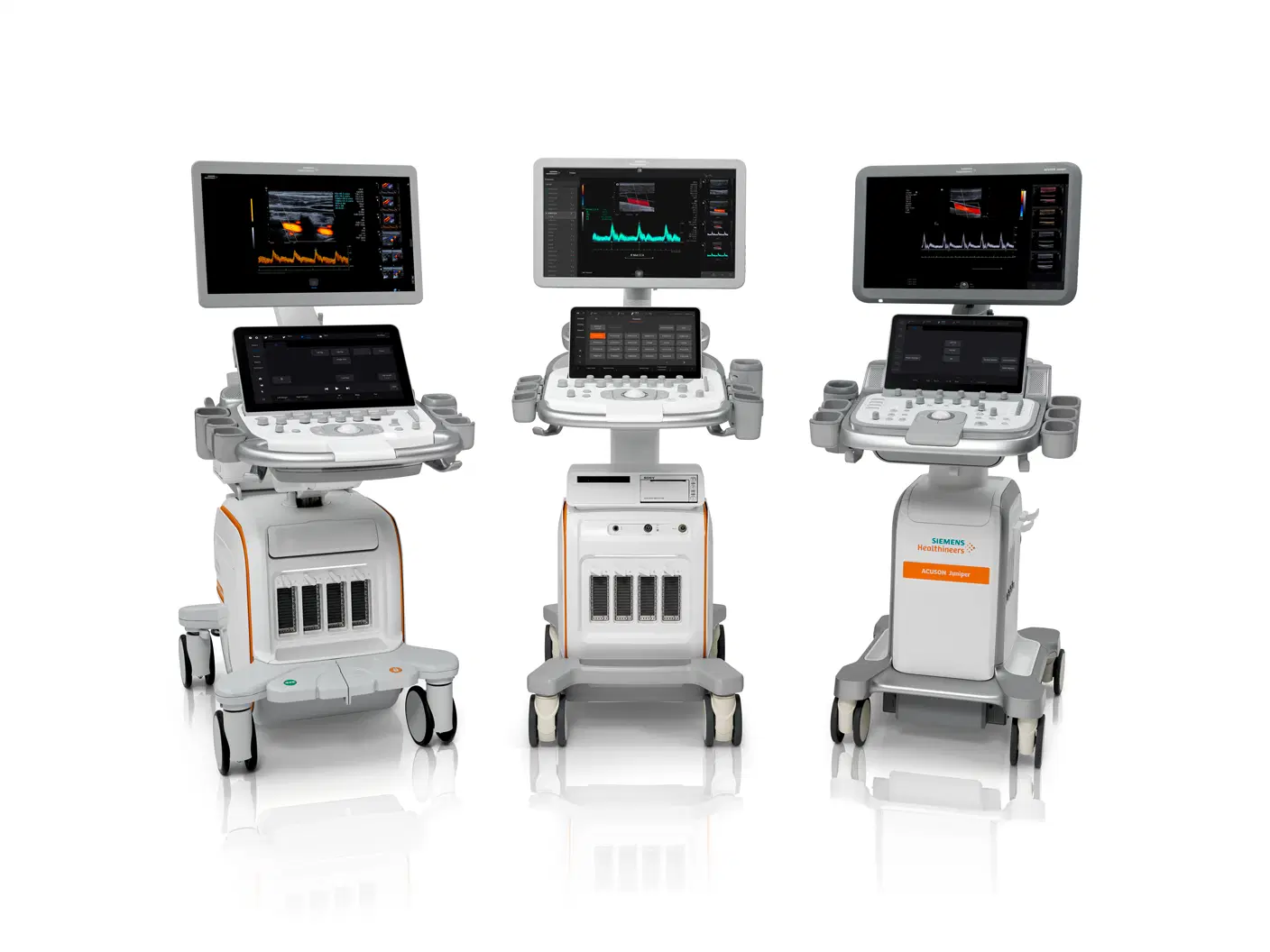
Overview of Sonography - Nuchal Scan
The Nuchal Scan, also known as Nuchal Translucency (NT) scan, is a specialized ultrasound examination performed during the first trimester of pregnancy. It specifically measures the clear fluid space at the back of the baby's neck (the nuchal translucency). All babies have some fluid at the back of their neck, but an increased amount can indicate a higher risk for certain chromosomal abnormalities, such as Down syndrome (Trisomy 21), Trisomy 18 (Edwards syndrome), or Trisomy 13 (Patau syndrome), as well as some congenital heart defects. This scan is typically performed between 11 weeks and 13 weeks and 6 days of gestation, as the fluid accumulation is most prominent and measurable during this window. It is often combined with maternal blood tests (PAPP-A and free beta-hCG) to provide a more accurate combined screening result. The NT scan itself is non-invasive and uses high-frequency sound waves to create images of the developing baby.
Why the Nuchal Scan is Done
The Nuchal Scan is primarily performed as a screening test to assess a baby's risk of having certain chromosomal abnormalities and, less commonly, some structural defects. It measures the fluid thickness at the back of the fetal neck; an increased measurement is associated with a higher likelihood of conditions like Down syndrome. It's not a diagnostic test, meaning it doesn't confirm a diagnosis, but rather identifies pregnancies that may be at a higher risk, prompting consideration of further diagnostic tests such like chorionic villus sampling (CVS) or amniocentesis. The scan also confirms gestational age, assesses fetal viability, and can detect major structural anomalies visible early in pregnancy. It offers expectant parents valuable information early in the pregnancy, allowing them to make informed decisions about further testing and pregnancy management.
Risks
The Nuchal Scan is an ultrasound examination and, as such, is considered an extremely safe diagnostic procedure with virtually no known risks to either the mother or the developing baby. Unlike imaging techniques that use ionizing radiation (like X-rays), ultrasound technology relies solely on high-frequency sound waves to create images. This fundamental difference means there is absolutely no exposure to harmful radiation. The procedure is non-invasive when performed transabdominally, involving no needles or incisions. Even if a transvaginal approach is necessary for better visualization (which is less common for NT scans), the procedure carries minimal risk. There is no risk of infection, bleeding, or allergic reactions associated with the scan itself. The mild pressure from the transducer on the abdomen or the gel applied is generally well-tolerated and not painful. Consequently, the Nuchal Scan carries no significant health risks and is a widely accepted, safe, and effective screening tool in prenatal care.
How You Prepare
Preparation for a Nuchal Scan is usually straightforward. For most Nuchal Scans, which are performed transabdominally (over the belly), you may be asked to arrive with a full bladder. A full bladder helps to push the uterus and the baby higher into the abdomen, allowing for clearer visualization of the baby and the nuchal translucency measurement. This is typically achieved by drinking several glasses of water (around 16-24 ounces or 500-750 ml) about one hour before your appointment and avoiding urination until after the scan. However, specific instructions can vary between clinics, so always confirm with your healthcare provider or the imaging center. There are no fasting requirements for this test. It's advisable to wear comfortable, loose-fitting clothing that allows easy access to your abdomen. Following these preparation guidelines will help ensure optimal image quality for accurate measurement and assessment.
What You Can Expect
Before the Test
Before your Nuchal Scan, you will receive specific instructions from your healthcare provider or the imaging center. The most common instruction is to arrive with a full bladder. This usually means drinking several glasses of water (around 16-24 ounces or 500-750 ml) approximately one hour before your appointment and refraining from urinating until after the scan. A full bladder helps to elevate the uterus and provides a clearer "window" for the ultrasound waves to visualize the baby. There are no dietary restrictions, so you do not need to fast. You should wear comfortable, loose-fitting clothing. Upon arrival at the clinic, you may be asked to complete some paperwork. The sonographer or nurse will explain the procedure to you and answer any questions you may have, aiming to ensure your comfort and understanding before the scan begins.
During the Test
During the Nuchal Scan, you will typically lie on your back on an examination table. The sonographer will apply a warm, water-based gel to your lower abdomen. This gel helps the transducer make good contact with your skin and allows the sound waves to transmit effectively. The sonographer will then press a small, handheld transducer firmly against your abdomen, moving it around to obtain various views of your baby. You might feel slight pressure from the transducer, especially with a full bladder, but the procedure is generally painless. The sonographer will carefully measure the nuchal translucency, which appears as a clear space at the back of the baby's neck. They will also assess other aspects of the baby's anatomy and confirm gestational age. You will usually be able to see your baby on a monitor. The entire scan typically lasts between 20 to 40 minutes, depending on the baby's position and cooperation.
Results
After your Nuchal Scan is completed, the gel will be wiped off your abdomen. The images and measurements obtained during the examination will be reviewed and interpreted by a radiologist or a specialist in maternal-fetal medicine. The primary outcome is the nuchal translucency measurement. This measurement, along with your age, gestational age, and often results from maternal blood tests (PAPP-A and free beta-hCG), will be used to calculate your individual risk for chromosomal abnormalities like Down syndrome. The results will indicate whether your baby is at a "low risk" or "high risk" for these conditions. It's crucial to remember that this is a screening test, not a diagnostic one. A "high risk" result does not mean your baby definitely has a condition but suggests further diagnostic testing, such as CVS or amniocentesis, might be considered. Your healthcare provider will discuss your results, explain their implications, and counsel you on any recommended next steps.