
Overview of Thyroid Stimulating Hormone (TSH) Test
The Thyroid Stimulating Hormone (TSH) test is a blood test that measures the level of TSH, a hormone produced by the pituitary gland, a small gland located at the base of your brain. TSH acts as the primary regulator of thyroid function: it signals the thyroid gland to produce and release more thyroid hormones (T3 and T4). When thyroid hormone levels in the blood are low, the pituitary releases more TSH to stimulate the thyroid; conversely, when thyroid hormone levels are high, the pituitary reduces TSH production. This test is considered the most sensitive and primary screening tool for assessing overall thyroid function and detecting both an underactive (hypothyroidism) and overactive (hyperthyroidism) thyroid.
Why it's done
The TSH test is the most common and often the first test performed to screen for and diagnose thyroid disorders. It's done to check for hypothyroidism (high TSH, indicating the pituitary is working hard to stimulate an underactive thyroid) or hyperthyroidism (low TSH, indicating the pituitary is suppressing TSH production because the thyroid is overactive). It's crucial for individuals experiencing symptoms such as fatigue, weight changes, mood disturbances, hair loss, or changes in heart rate. The TSH test is also used to monitor the effectiveness of thyroid hormone replacement therapy for hypothyroidism, to adjust medication dosages, and to screen newborns for congenital hypothyroidism, a condition that can cause developmental problems if not treated early.
How should I prepare for the Thyroid TSH Test?
Preparing for a Thyroid TSH test is usually very simple, and in most cases, no special preparation or fasting is required. You can typically eat and drink as you normally would before the blood draw. However, if your doctor has ordered other blood tests at the same time that necessitate fasting (such as a lipid profile), you will need to follow those specific instructions. It is extremely important to inform your healthcare provider about all medications, supplements, and vitamins you are taking. Biotin (Vitamin B7) supplements, in particular, can significantly interfere with TSH test results, and you will likely be advised to stop taking them for at least 24-48 hours, or even longer, before the test. Do not discontinue any prescribed medication without consulting your doctor.
What does the equipment look like?
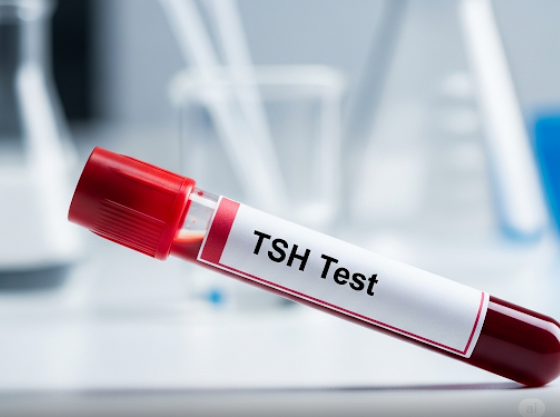
The equipment used for a Thyroid TSH test is the standard setup for a routine blood draw (venipuncture). This includes a sterile needle, a syringe or a vacutainer blood collection system, and specific blood collection tubes. For TSH testing, blood is typically collected in a plain red-top tube or a gel-separator tube (SST) that allows the serum to separate from the blood cells. The phlebotomist (the healthcare professional drawing the blood) will also use an antiseptic wipe to clean the skin, gloves for hygiene, and cotton balls or gauze with a bandage for after the blood draw. Once collected, the blood sample is sent to a medical laboratory where sophisticated automated immunoassay analyzers are used to precisely measure the TSH levels in the serum.
How does the procedure work?
The procedure for a Thyroid TSH test involves drawing a blood sample, usually from a vein in your arm. Once collected, the blood sample is transported to a clinical laboratory for analysis. In the lab, the blood is typically processed to separate the serum, which is the liquid portion containing the TSH hormone. Automated immunoassay analyzers then perform the measurement. These analyzers use a technique where specific antibodies bind to the TSH molecules present in your sample. A detection system then quantifies the amount of TSH-antibody complexes, which is directly proportional to the concentration of TSH in your blood. The machine then calculates and provides a numerical result for your TSH level, which is a key indicator of thyroid gland activity.
How is the procedure performed?
A Thyroid TSH test is performed through venipuncture, a standard procedure for collecting a blood sample. You will be seated comfortably, and a healthcare professional, such as a phlebotomist or nurse, will typically choose a suitable vein, commonly located on the inside of your elbow. They will clean the area of skin with an antiseptic wipe. A tourniquet may be applied above your elbow to make the vein more prominent and easier to access. A sterile needle is then carefully inserted into the vein, and blood is drawn into specific collection tubes. After the required amount of blood is collected, the needle is gently removed, and pressure is applied to the puncture site with a cotton ball or gauze to prevent bleeding. The entire process is quick, usually taking just a few minutes.
What will I experience during and after the procedure?
During the blood draw for a Thyroid TSH test, you will generally feel a brief, sharp prick or sting as the needle is inserted into your arm. Some individuals may experience a mild sensation of pressure or discomfort while the blood is being collected. The procedure itself is usually very quick, lasting only a couple of minutes. After the needle is removed, light pressure will be applied to the puncture site to help stop any bleeding and minimize bruising. You might experience minor soreness, tenderness, or a small bruise in the arm where the blood was drawn, which is normal and generally resolves within a day or two. You can usually resume your normal activities and diet immediately after the test, as no specific post-procedure care is required.
Who interprets the results and how do I get them?
Your blood sample for a Thyroid TSH test is analyzed by medical laboratory technicians. Once the analysis is complete, a detailed report outlining your TSH level is generated. This report is then sent to your healthcare provider, typically your general practitioner or an endocrinologist. Your doctor, who is trained to interpret these specific results, will review your TSH level and compare it against established normal reference ranges. They will discuss these findings with you, explain what your TSH levels indicate about your thyroid gland's activity and overall thyroid health (often in conjunction with T3 and T4 results), and recommend any necessary follow-up actions, such as further diagnostic tests, medication adjustments, or lifestyle modifications.
Benefits
The Thyroid TSH test offers significant benefits as the most sensitive and primary screening tool for thyroid dysfunction. Its ability to reflect the overall activity of the thyroid gland makes it highly effective for detecting both hypothyroidism and hyperthyroidism, often before symptoms become severe. The TSH test is invaluable for early diagnosis, allowing for prompt intervention and preventing long-term complications. It is also crucial for monitoring the effectiveness of thyroid hormone replacement therapy and anti-thyroid medications, enabling precise dosage adjustments. Its simplicity, cost-effectiveness, and reliability make it a cornerstone of routine health check-ups and thyroid disease management.
Risks
The risks associated with a Thyroid TSH test are minimal, as it involves a routine blood draw (venipuncture). The most common minor risks include slight pain, soreness, or tenderness at the puncture site. Some individuals may experience minor bruising, which usually resolves within a few days. Dizziness or lightheadedness can occasionally occur during or immediately after the blood draw, particularly in those sensitive to needles or prone to fainting. Very rarely, there might be a small risk of infection at the puncture site if proper sterile techniques are not followed, or excessive bleeding, especially for individuals who are taking blood-thinning medications. These complications are uncommon and generally mild, resolving without long-term issues.
What are the limitations of a Thyroid TSH Test?
While highly sensitive, the TSH test has some limitations. Its interpretation can be complex in certain situations. Factors such as severe illness (euthyroid sick syndrome), pregnancy, certain medications (e.g., dopamine, high-dose steroids, amiodarone, biotin supplements), and pituitary disorders can all affect TSH levels, sometimes leading to misleading results. In these cases, TSH results must be interpreted cautiously and often in conjunction with free T3 and free T4 levels. A TSH test alone cannot differentiate between primary and secondary thyroid disorders. Furthermore, short-term fluctuations in TSH can occur, and results should always be considered alongside a patient's clinical symptoms and other relevant medical history for an accurate diagnosis.