
Overview of Protein (Total, Albumin, Globulin, A/G Ratio) Tests
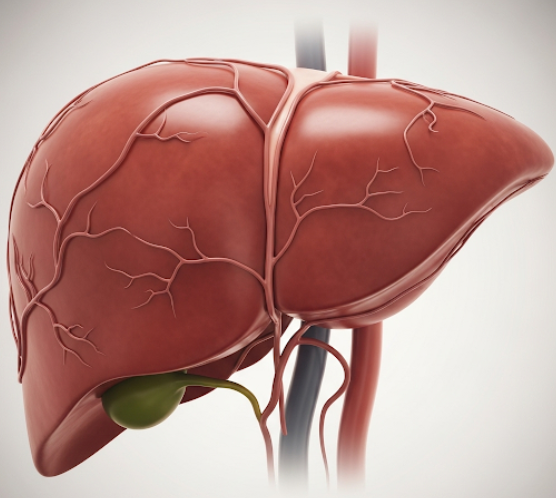
Protein tests, encompassing Total Protein, Albumin, Globulin, and the Albumin/Globulin (A/G) Ratio, are crucial components of a comprehensive metabolic panel that provide vital insights into your overall health, particularly the function of your liver and kidneys. Proteins are fundamental building blocks for all body tissues and play diverse roles, including transporting substances, forming enzymes and hormones, and maintaining fluid balance. Total Protein measures the sum of all proteins in the blood. Albumin is the most abundant protein, primarily produced by the liver, essential for maintaining oncotic pressure (preventing fluid leakage from blood vessels) and transporting various substances. Globulins comprise a diverse group of proteins involved in immune function and transport. The A/G Ratio compares albumin levels to globulin levels, offering a diagnostic clue to certain diseases. These tests together help evaluate nutritional status, liver function, kidney health, and detect inflammation or immune disorders.
Why Protein Tests are Done
Protein tests (Total Protein, Albumin, Globulin, A/G Ratio) are performed for a variety of diagnostic and monitoring purposes, primarily to assess liver and kidney function, nutritional status, and to screen for specific diseases. They are often part of routine health check-ups or ordered when symptoms suggest a liver, kidney, or nutritional disorder, such as unexplained weight loss, fatigue, edema (swelling), or jaundice. Abnormal levels can indicate liver diseases (e.g., hepatitis, cirrhosis), kidney diseases (e.g., nephrotic syndrome), inflammatory conditions, infections, malnutrition, or immune system disorders like multiple myeloma. The A/G ratio is particularly useful in distinguishing between different types of protein imbalances and can help narrow down diagnostic possibilities. For instance, a low ratio might suggest kidney disease or an autoimmune disorder, while a high ratio could point to certain genetic deficiencies or leukemia. These tests guide further investigation and help monitor the effectiveness of treatment for various conditions affecting protein metabolism.
Risks
The Protein (Total, Albumin, Globulin, A/G Ratio) tests are performed via a standard blood draw, also known as venipuncture. As such, the associated risks are minimal and typical of any routine blood collection procedure. You may experience slight pain or a brief stinging sensation at the puncture site, usually in your arm, when the needle is inserted. A small bruise might develop where the blood was drawn, which is common and typically resolves within a few days without requiring specific treatment. In very rare cases, some individuals might experience temporary lightheadedness or dizziness during or immediately after the blood collection. Extremely uncommon complications, such as a hematoma (a localized collection of blood under the skin) or an infection at the puncture site, can occur but are exceptionally rare when proper sterile techniques are strictly followed by the healthcare professional performing the blood draw. It is important to inform the phlebotomist or nurse if you are taking blood-thinning medications, as this might slightly increase your risk of bruising or minor bleeding. Overall, the blood collection procedure for these protein tests is considered a very safe diagnostic process.
How You Prepare
Preparing for Protein (Total, Albumin, Globulin, A/G Ratio) tests is generally straightforward, and often no special fasting is required if these tests are ordered in isolation. However, if they are part of a more comprehensive panel like a Comprehensive Metabolic Panel (CMP), which typically includes glucose and lipid tests, then fasting for 10 to 12 hours prior to the blood draw might be necessary (meaning no food or drink except plain water). Always confirm specific fasting instructions with your healthcare provider. It is crucial to inform your doctor about all medications you are currently taking, including prescription drugs, over-the-counter medicines, vitamins, and herbal supplements. Certain medications, such as corticosteroids, hormones, or some antibiotics, can influence protein levels. Your doctor may advise you to temporarily stop or adjust certain medications; however, never modify your medication regimen without explicit instruction from your physician. Strenuous physical activity immediately before the test should also be avoided, as it can sometimes affect protein levels.
What You Can Expect
Before the Test
Before your Protein (Total, Albumin, Globulin, A/G Ratio) tests, your healthcare provider will give you specific instructions. If these tests are part of a broader panel requiring fasting (e.g., a Comprehensive Metabolic Panel), you will typically need to fast for 10 to 12 hours prior to your appointment, drinking only plain water. However, if ordered alone, fasting may not be necessary. Always clarify this with your doctor. It is essential to communicate openly with your doctor about all medications you are currently taking, including prescription drugs, over-the-counter remedies, vitamins, and herbal supplements. Certain medications can influence protein levels, and your physician might advise temporary adjustments or discontinuation of some. However, you must never make any changes to your medication regimen without explicit direction from your doctor. Additionally, refrain from strenuous physical activity just before the test, as it can sometimes affect protein levels.
During the Test
During the blood collection for your Protein (Total, Albumin, Globulin, A/G Ratio) tests, the procedure is quick and similar to any routine blood draw. You will be seated comfortably, usually with your arm extended and resting on an armrest. A trained healthcare professional, such as a phlebotomist or a nurse, will identify a suitable vein for drawing blood, most commonly located in the inside of your elbow or on the back of your hand. The chosen area of your skin will be thoroughly cleaned with an antiseptic solution to ensure sterility. A tourniquet may be gently tied around your upper arm; this temporarily increases blood flow and causes the vein to swell slightly. Once the vein is prepared, a sterile, single-use needle will be carefully inserted. You may experience a brief, sharp prick or a mild stinging sensation as the needle penetrates your skin. Blood will then be steadily drawn into one or more small collection tubes. The actual collection process is typically very brief, usually lasting only a few minutes. After sufficient blood is collected, the tourniquet will be released, and the needle smoothly withdrawn. Pressure will then be applied to the puncture site with a cotton ball or gauze to help stop any bleeding and prevent bruising.
Results
After your blood sample for Protein (Total, Albumin, Globulin, A/G Ratio) tests is collected, it will be sent to a medical laboratory for analysis. The results, typically presented as numerical values for Total Protein, Albumin, Globulin, and the calculated A/G Ratio, will then be securely transmitted to your healthcare provider, usually within a few days. Your doctor will interpret your specific protein levels and A/G ratio in the context of your complete medical history, symptoms, and other diagnostic tests. Normal ranges for these proteins vary slightly between laboratories. Abnormal levels can indicate a range of conditions: low albumin may suggest liver disease, kidney disease, or malnutrition; high globulins could point to inflammation, infection, or immune disorders like multiple myeloma. The A/G ratio helps differentiate these conditions. For example, a low A/G ratio might suggest autoimmune disease or chronic infection, while a high ratio could indicate a genetic deficiency. Your healthcare provider will discuss your results, explaining their significance for your health and determining appropriate next steps for diagnosis, treatment, or ongoing management.