
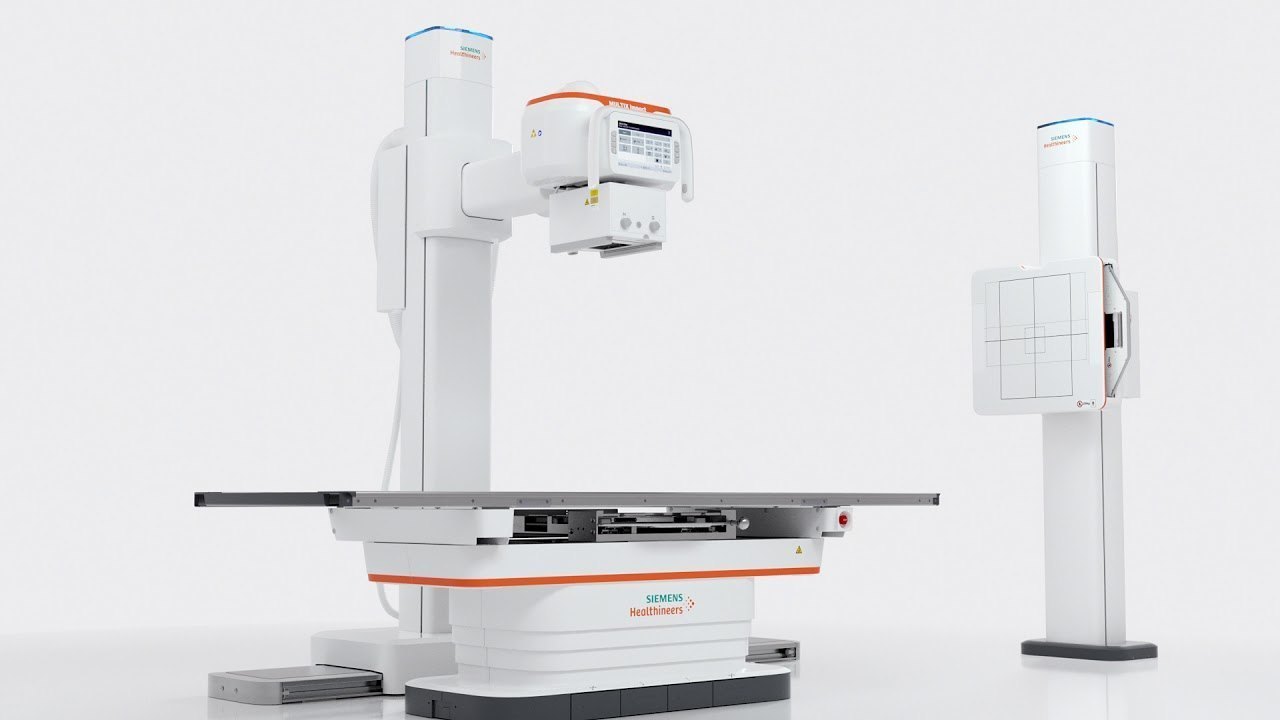
Overview of X-ray OPG - Orthopantomogram
An Orthopantomogram (OPG), commonly known as a panoramic X-ray, is a single X-ray image that provides a comprehensive, wide view of the entire upper and lower jaws, including all the teeth (both erupted and unerupted), the surrounding bones, and the temporomandibular joints (TMJ). Unlike small intraoral X-rays that capture only a few teeth, the OPG offers a panoramic perspective, capturing structures that are not visible in a standard dental X-ray. This specialized X-ray uses a small amount of ionizing radiation, with the X-ray machine rotating around the patient's head to capture the entire curved structure of the jaws on a single flat film or digital sensor. It is a quick and non-invasive procedure, serving as an invaluable diagnostic tool in dentistry and oral surgery for initial assessments and detection of a broad range of dental and jaw conditions.
Why an X-ray OPG is Done
An X-ray OPG is performed for numerous diagnostic purposes in dentistry and oral healthcare due to its wide field of view. It is commonly used for general dental check-ups to assess the overall health of teeth and bones, detect cavities not visible clinically, and identify impacted wisdom teeth before they cause problems. It is invaluable for treatment planning for orthodontics (braces), dental implants, and dentures, providing an overview of bone structure. Oral surgeons use OPGs to evaluate jaw fractures, cysts, tumors, or infections within the jawbone. It can also assess the temporomandibular joint (TMJ) for conditions causing jaw pain or clicking. For children, it helps monitor tooth development, eruption patterns, and identify missing or extra teeth. In essence, the OPG serves as a fundamental screening tool, offering a broad diagnostic picture that helps identify underlying issues and guide further, more targeted investigations if needed.
Risks
An X-ray OPG, like all X-ray procedures, involves exposure to a small amount of ionizing radiation. While this radiation carries a very small theoretical risk of cell damage that could potentially lead to cancer later in life, the diagnostic benefits obtained from the OPG typically far outweigh this minimal risk. Modern OPG machines are designed to minimize radiation exposure while still producing high-quality diagnostic images. The radiation dose from a single OPG is generally considered to be very low, comparable to a few days of natural background radiation exposure. It is crucial for pregnant women or those who suspect they might be pregnant to inform their dentist or the X-ray technologist immediately. Although the radiation dose to the fetus is minimal with an OPG (as the X-ray beam is directed at the head/jaw), precautions such as a lead apron will always be used, or the procedure may be postponed if not urgent. The procedure itself is non-invasive and painless.
How You Prepare
Preparing for an X-ray OPG is generally very simple and requires minimal effort from the patient. The most crucial step is to remove all metal objects from your head and neck area, as these can create artifacts on the X-ray image, obscuring important details. This includes jewelry such as earrings, necklaces, facial piercings (e.g., nose rings, tongue rings), hairpins, eyeglasses, and removable dental appliances like dentures or partial plates. You may be asked to remove hearing aids. There are no fasting requirements for an OPG, so you can eat and drink normally before the procedure. You typically do not need to discontinue any medications. It is extremely important to inform the X-ray technologist or your dentist if you are pregnant or suspect you might be, so that appropriate precautions, such as the use of a lead apron, can be taken, or the test can be postponed if not urgent.
What You Can Expect
Before the Test
Before your X-ray OPG, you will be asked to remove any metal items from your head and neck area. This includes jewelry (earrings, necklaces, piercings), eyeglasses, and any removable dental appliances like dentures. The X-ray technologist will explain the procedure and answer any questions you may have. It is essential to inform the technologist if you are pregnant or think you might be, as special precautions, such as a lead apron, will be used to shield your body from radiation. No other specific preparation, such as fasting, is usually required. The technologist will guide you to the OPG machine and position you correctly to ensure the best possible image quality. You will be asked to stand very still for the duration of the X-ray capture.
During the Test
During an X-ray OPG, you will stand in the center of the OPG machine. The technologist will position your head carefully, often using a head support and a bite-block (a small plastic piece you gently bite down on) to ensure your teeth are correctly aligned. You will be asked to remain completely still and motionless during the brief exposure. The OPG machine has a rotating arm that will slowly rotate around your head, capturing the panoramic image of your jaws and teeth. This rotation typically takes about 15 to 20 seconds. You will hear a soft whirring sound as the machine moves, but you will not feel anything during the X-ray exposure itself. The technologist will usually step behind a protective screen during the exposure to minimize their own radiation exposure, but they will be able to communicate with you throughout the procedure.
Results
After your X-ray OPG is completed, the digital images are immediately available for review. The images will be examined by your dentist or an oral radiologist, a dentist specializing in interpreting dental X-rays. They will analyze the panoramic view to assess the overall health of your teeth, jawbones, and surrounding structures. The OPG can reveal a wide range of conditions, including impacted wisdom teeth, bone loss due to periodontal disease, dental cysts, tumors in the jaw, jaw fractures, temporomandibular joint (TMJ) disorders, and the presence of any unerupted teeth or extra teeth. Your dentist will discuss the findings with you, explain what they mean for your oral health, and recommend any necessary further diagnostic tests (like more detailed 3D scans) or treatment plans based on the OPG results, such as orthodontic treatment, wisdom tooth extraction, or further investigation of a lesion.