
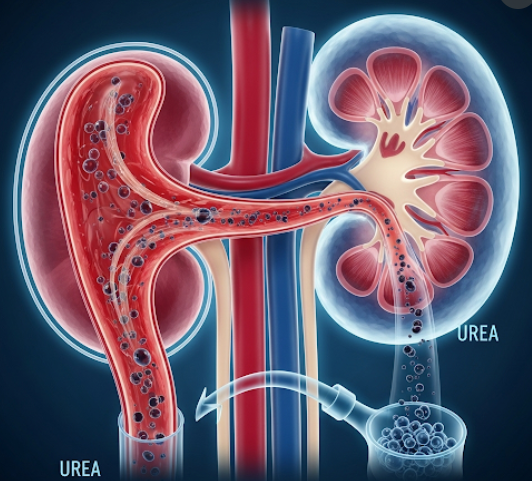
Overview of BUN Test (Blood Urea Nitrogen - BUN)
A Urea Test, most commonly measured as Blood Urea Nitrogen (BUN), is a blood test that assesses kidney function. Urea is a waste product formed in the liver when protein is broken down. It is then carried in the blood to the kidneys, where it is filtered out and excreted in urine. The BUN test measures the amount of urea nitrogen in your blood, providing an indicator of how well your kidneys are filtering waste. Elevated BUN levels can suggest that the kidneys are not functioning efficiently, while lower levels might indicate other conditions. It's a key component of kidney function panels and helps in diagnosing kidney disease, monitoring existing conditions, and evaluating hydration status.
Why it's done
A Urea (BUN) test is primarily done to evaluate kidney function and overall renal health. It is often part of routine health check-ups or ordered if symptoms suggestive of kidney problems are present, such as changes in urination, swelling in legs or feet, fatigue, or muscle cramps. The test helps diagnose various conditions including kidney disease or damage, dehydration, heart failure, and urinary tract obstruction. It is also used to monitor the effectiveness of kidney disease treatments, assess the impact of certain medications on kidney function, and evaluate patients with known chronic conditions like diabetes and high blood pressure, which can affect kidney health over time.
How should I prepare for the Urea Test?
Preparation for a Urea (BUN) test can vary. While a BUN test alone generally does not require fasting, it is very common for it to be ordered as part of a comprehensive metabolic panel, which often includes glucose and lipid tests that do require fasting. Therefore, it's crucial to confirm specific fasting instructions with your healthcare provider or the laboratory. You should inform your doctor about all medications, supplements, and herbal remedies you are taking, as some can influence BUN levels. Avoid excessive protein intake or strenuous exercise before the test, as these can temporarily affect results. Staying adequately hydrated, unless otherwise instructed, is generally recommended.
What does the equipment look like?
The equipment for a Urea (BUN) test is the standard setup for a blood draw (venipuncture). This includes a sterile needle, a syringe or a vacutainer blood collection system, and specific blood collection tubes (typically a plain red-top tube or a gel-separator tube, which collects serum). The phlebotomist (the healthcare professional drawing the blood) will also use an antiseptic wipe to clean the skin, gloves for hygiene, and cotton balls or gauze with a bandage for after the blood draw. Once collected, the blood sample is sent to a medical laboratory where sophisticated automated chemistry analyzers are used to precisely measure the amount of urea nitrogen in your blood serum or plasma.
How does the procedure work?
The procedure for a Urea (BUN) test involves drawing a blood sample, usually from a vein in your arm. Once collected, the blood sample is transported to a clinical laboratory for analysis. In the lab, the blood is typically processed to separate the serum or plasma (the liquid portion). Automated chemistry analyzers then perform the measurement. These machines use an enzymatic method: the enzyme urease breaks down urea in the sample, releasing ammonia. The amount of ammonia produced is then measured, as it is directly proportional to the amount of urea nitrogen originally present in the blood. This provides a numerical result for your BUN level, indicating how efficiently your kidneys are filtering this waste product.
How is the procedure performed?
A Urea (BUN) test is performed through venipuncture, a standard procedure for collecting a blood sample. You will be seated comfortably, and a healthcare professional, such as a phlebotomist or nurse, will typically choose a suitable vein, commonly located on the inside of your elbow. They will clean the area of skin with an antiseptic wipe. A tourniquet may be applied above your elbow to make the vein more prominent and easier to access. A sterile needle is then carefully inserted into the vein, and blood is drawn into specific collection tubes. After the required amount of blood is collected, the needle is gently removed, and pressure is applied to the puncture site with a cotton ball or gauze to prevent bleeding. The entire process is quick, usually taking just a few minutes.
What will I experience during and after the procedure?
During the blood draw for a Urea (BUN) test, you will generally feel a brief, sharp prick or sting as the needle is inserted into your arm. Some individuals may experience a mild sensation of pressure or discomfort while the blood is being collected. The procedure itself is usually very quick, lasting only a couple of minutes. After the needle is removed, light pressure will be applied to the puncture site to help stop any bleeding and minimize bruising. You might experience minor soreness, tenderness, or a small bruise in the arm where the blood was drawn, which is normal and generally resolves within a day or two. You can usually resume your normal activities and diet immediately after the test, provided no fasting was required.
Who interprets the results and how do I get them?
Your blood sample for a Urea (BUN) test is analyzed by medical laboratory technicians. Once the analysis is complete, a detailed report outlining your BUN level is generated. This report is then sent to your healthcare provider, typically your general practitioner or a nephrologist (kidney specialist). Your doctor, who is trained to interpret these specific results, will review your BUN level and compare it against established normal reference ranges. They will discuss these findings with you, explain what your BUN levels indicate about your kidney function and overall health (often in conjunction with creatinine levels), and recommend any necessary follow-up actions, such as further diagnostic tests, lifestyle modifications, or medical treatment.
Benefits
The Urea (BUN) test offers significant benefits as a simple, non-invasive, and readily available diagnostic tool for assessing kidney health. It provides a quick indicator of how effectively your kidneys are filtering waste products from your blood. Early detection of abnormal BUN levels can signal potential kidney dysfunction, dehydration, or other medical conditions, allowing for timely intervention and management. It's an essential component of routine health check-ups and is crucial for monitoring individuals with existing kidney disease, heart failure, or those taking medications that could impact renal function, helping to prevent the progression of kidney damage and improve patient outcomes.
Risks
The risks associated with a Urea (BUN) test are minimal, as it involves a routine blood draw (venipuncture). The most common minor risks include slight pain, soreness, or tenderness at the puncture site. Some individuals may experience minor bruising, which usually resolves within a few days. Dizziness or lightheadedness can occasionally occur during or immediately after the blood draw, particularly in those sensitive to needles or prone to fainting. Very rarely, there might be a small risk of infection at the puncture site if proper sterile techniques are not followed, or excessive bleeding, especially for individuals who are taking blood-thinning medications. These complications are uncommon and generally mild, resolving without long-term issues.
What are the limitations of a Urea Test?
While useful, the Urea (BUN) test has some limitations. BUN levels can be influenced by various factors unrelated to kidney function, such as dehydration (which can elevate BUN), severe liver disease (which can lower BUN due to reduced urea production), a high-protein diet (elevates BUN), gastrointestinal bleeding (elevates BUN), and strenuous exercise. For this reason, BUN is often interpreted alongside creatinine levels (a more stable indicator of kidney function) in a BUN-to-creatinine ratio for a more accurate assessment. A BUN test indicates kidney issues but does not pinpoint the specific cause of the problem without further diagnostic investigations. It is best interpreted as part of a comprehensive metabolic panel.