
Overview
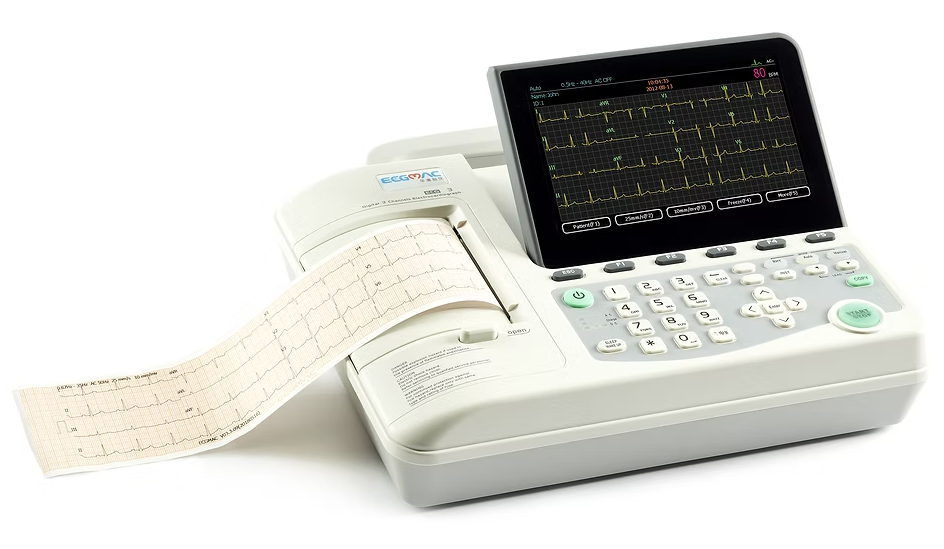
An electrocardiogram (ECG or EKG) is a noninvasive and painless diagnostic procedure that records the electrical activity of the heart over a period of time using electrodes placed on the skin. It is one of the most commonly used tools to assess cardiac function. The electrical signals that trigger heartbeats travel through the heart in a predictable pattern. An ECG captures this pattern, which can then be examined for irregularities. The test involves attaching small, adhesive electrode patches to the chest, arms, and legs. These electrodes detect electrical signals generated by the heart each time it beats. The signals are then displayed as waves on a monitor or printed on paper, providing vital data for diagnosis. ECGs are instrumental in detecting heart rhythm disturbances (arrhythmias), poor blood flow to the heart muscle (ischemia), structural abnormalities, and evidence of a previous or ongoing heart attack. In emergency situations, ECGs are invaluable for quick assessment of cardiac issues. They are also used as part of a routine checkup or before surgeries to establish a baseline of heart function. Although it does not produce images like X-rays or ultrasounds, the ECG is a foundational cardiac test that informs further decision-making. It’s noninvasive, quick, and can be performed in hospitals, clinics, and even ambulances. Modern ECG machines can store data digitally, transmit results to remote specialists, and are often portable, allowing bedside or field use. For patients, undergoing an ECG requires minimal preparation and no recovery time. Despite its simplicity, it provides a window into the electrical system of the heart, offering vital clues about a patient's cardiovascular health. In summary, ECG is a crucial, first-line diagnostic test for a wide range of heart-related conditions and continues to be a cornerstone of modern cardiology.
Why it's done
An ECG is performed to assess the heart’s electrical activity and uncover potential abnormalities. One of its primary uses is to evaluate symptoms such as chest pain, shortness of breath, fatigue, dizziness, or palpitations, which could indicate underlying heart problems. For instance, it can reveal irregularities in heart rhythm like atrial fibrillation, bradycardia, or tachycardia. It can also detect signs of a heart attack, either one that is currently happening or one that occurred in the past but may not have been previously diagnosed. Doctors often use ECGs to monitor patients with known heart conditions, ensuring their treatment is working effectively or detecting new issues. It's also commonly used before surgeries to evaluate whether the heart is healthy enough to endure the procedure. For people with a family history of heart disease or other risk factors like high blood pressure, diabetes, or high cholesterol, routine ECG screenings may be recommended. Additionally, ECGs are important in sports medicine to screen athletes for heart issues that could increase their risk during physical exertion. ECGs are often the first step in a series of cardiac tests; abnormal results may lead to further investigations such as echocardiograms, stress tests, or Holter monitoring. The test is particularly useful because it’s quick, affordable, and noninvasive. It provides real-time insights into heart function, and abnormalities can often be seen immediately. In emergency rooms, ECGs are routinely used to triage patients presenting with chest pain or other cardiac symptoms. Even if no abnormalities are found, the ECG can establish a baseline for future comparisons. Overall, ECGs help detect heart conditions early, guide treatment decisions, and improve outcomes by preventing complications from undiagnosed cardiovascular disease.
Risks
An ECG is one of the safest diagnostic procedures available in clinical medicine. It is noninvasive, does not use radiation, and poses virtually no risks to the patient. The test involves attaching small electrodes to the skin using adhesive pads, which are connected by wires to the ECG machine. For most people, this procedure is entirely painless and completed within a few minutes. The only potential for discomfort arises when the electrodes are removed, which may feel similar to removing a bandage. People with very sensitive skin might experience minor redness or irritation at the sites where the electrodes were placed, but this typically resolves on its own without the need for treatment. There are no known long-term side effects or complications from having an ECG. Since no electrical current is passed into the body—only the body’s natural electrical signals are being recorded—the test is safe even for individuals with implanted medical devices like pacemakers or defibrillators. However, the presence of such devices may slightly affect the reading, and it’s important to inform the healthcare provider ahead of time. ECGs are also considered safe for children, the elderly, and pregnant women. In very rare cases, faulty equipment or improper electrode placement could lead to inaccurate results, but this poses no physical harm—only a potential for misdiagnosis if not interpreted carefully. Compared to other tests that involve radiation or contrast dyes, ECG is completely free of such exposures. This makes it a preferred choice, especially for patients who require frequent monitoring. It’s worth noting that while the ECG itself carries no risk, any anxiety a patient might feel about potential findings is emotional and not caused by the procedure itself. In summary, ECGs are exceptionally safe, reliable, and routinely used in a wide range of clinical settings.
How you prepare
Preparing for an ECG is straightforward and requires very little effort from the patient, but following a few guidelines can ensure accurate results. First, you should avoid applying lotions, oils, or creams to your chest, arms, or legs on the day of the test, as these substances can interfere with the adhesive on the electrodes or alter the signal quality. You may also be asked to remove jewelry or metallic objects from your body since these can affect the electrical signal or obstruct electrode placement. It's recommended to wear comfortable, two-piece clothing, as you might need to remove your shirt for the chest electrode placement. In some cases, a small amount of hair may be shaved to ensure better contact between the electrode and the skin. You should inform your doctor or technician about any medications you are taking, including over-the-counter drugs and supplements, as certain medications can influence your heart's electrical activity and potentially affect the ECG results. If you have a pacemaker or defibrillator, it's crucial to notify the technician beforehand. You do not need to fast or follow any special dietary restrictions before the test, unless instructed otherwise by your healthcare provider. Try to arrive at your appointment on time and remain calm, as stress and anxiety can sometimes cause changes in your heart rate or rhythm. If you’re undergoing an ECG as part of a physical exam or pre-surgical screening, it’s helpful to bring along any previous ECG results for comparison. This allows your healthcare provider to detect subtle changes over time. Overall, while the preparation for an ECG is minimal, following these simple steps ensures that the test is performed efficiently and produces accurate, high-quality results that contribute meaningfully to your cardiac care.
What you expect
During the test
During an ECG, you will typically lie down comfortably on an examination table while a trained technician performs the test. The technician will begin by cleaning the areas of your skin where the electrodes will be attached—usually your chest, arms, and legs. This helps ensure good electrical contact. Then, 10 to 12 small, sticky electrodes connected to wires will be placed on these areas. Once the electrodes are in place, you’ll be asked to relax, breathe normally, and remain still while the ECG machine records your heart's electrical activity. The entire recording process takes just a few minutes. The machine will print out or display a graph (electrocardiogram) that shows the electrical impulses as waves, which represent how your heart is functioning. You won’t feel anything from the machine; there are no shocks or sensations. Some people may feel mild coldness or slight discomfort due to the adhesive or the temperature of the room, but the test itself is completely painless. It's important to stay relaxed and still, as movement or talking can interfere with the results. In some cases, especially if more detailed information is needed, a provider may perform additional leads or have you change positions to get different views of the heart's activity. The entire appointment, including preparation, usually lasts about 10 to 15 minutes. The process is the same whether it’s done in a hospital, clinic, or emergency setting. Modern ECG machines may also transmit results electronically to specialists for faster diagnosis. Overall, the procedure is quick, efficient, and provides immediate insights into your heart’s electrical system.
After the test
After the ECG is completed, the technician will gently remove the electrodes, which may cause minor discomfort similar to peeling off a bandage. If you have sensitive skin, there may be slight redness where the electrodes were placed, but this usually disappears within a few hours. You can get dressed and resume your normal daily activities immediately. There is no recovery period required since the test is noninvasive and doesn’t involve medication or radiation. Your ECG results may be available within minutes, especially in emergency settings, where rapid interpretation is crucial. In outpatient clinics, the results are usually reviewed by a doctor and shared with you during a follow-up consultation. If the ECG was ordered as a routine screening and the results are normal, no further action may be necessary. However, if the ECG reveals any abnormalities—such as arrhythmias, signs of a heart attack, or conduction issues—your doctor may recommend additional testing or treatment. This could include blood tests, echocardiograms, stress testing, or referral to a cardiologist. Sometimes, a repeat ECG may be ordered if the initial one was unclear due to movement, improper electrode placement, or interference. It’s important not to panic if you're called back for another ECG or further evaluation; many minor irregularities are benign or due to temporary factors such as stress, caffeine, or medications. Make sure to follow your healthcare provider’s instructions and keep a copy of your ECG for your medical records. Ultimately, the ECG is a valuable tool that can give immediate and essential feedback on your heart health without causing any lasting side effects.
Results
Once your ECG is completed, a trained medical professional—typically a cardiologist or primary care physician—will interpret the graph produced by the machine. The graph includes several lines that represent different angles of electrical activity within the heart. The expert looks at aspects like heart rate, rhythm, and wave patterns to determine if the electrical signals are traveling through the heart in a normal manner. Abnormalities may indicate conditions such as arrhythmias (irregular heartbeats), ischemia (reduced blood flow to the heart), or myocardial infarction (heart attack). The doctor may also evaluate the size of the heart chambers and the presence of any blocks in the heart's electrical conduction pathways. Results are usually available within a short period—sometimes immediately in urgent care settings—and are communicated to you by your doctor, either in person or via a medical report. If the ECG is normal, your doctor might simply recommend regular check-ups. If any irregularities are found, the doctor may suggest additional tests such as an echocardiogram, Holter monitor (a 24-hour portable ECG), or a cardiac stress test for a more detailed evaluation. Sometimes, ECG changes may be nonspecific or caused by non-cardiac factors such as electrolyte imbalances or medications, so it’s important that results are interpreted in the context of your overall health and symptoms. In cases where serious conditions are suspected, early diagnosis via ECG can lead to timely treatment and potentially life-saving interventions. It’s beneficial to keep a copy of your ECG for future comparisons, especially if you have a history of heart disease. Overall, the ECG result is a key piece of information in managing and understanding your cardiac health.