
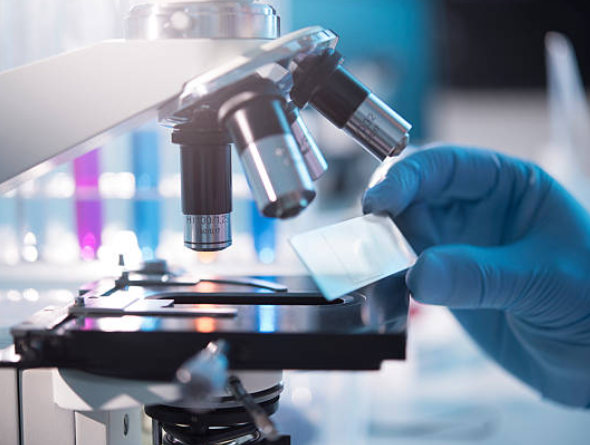
Overview of Pathology
Pathology is the branch of medical science concerned with the study of disease. It serves as the bridge between science and medicine, underpinning every aspect of patient care, from diagnostic testing and treatment advice to the use of new technologies and preventing disease. Pathologists are medical doctors who specialize in diagnosing diseases by examining tissues, organs, bodily fluids, and autopsies. They analyze samples using various techniques, including microscopy, chemical tests, immunological studies, and molecular diagnostics. The term "pathology" originates from the Greek words "pathos" (suffering) and "logia" (study), literally meaning "the study of suffering." By understanding the causes, mechanisms, and consequences of disease, pathology provides crucial insights that guide clinical decisions, help develop new treatments, and contribute to medical research and public health.
Branches and Scope of Pathology
Pathology is a vast and diverse field, encompassing several specialized branches, each focusing on different aspects of disease diagnosis and investigation. Anatomical Pathology deals with the macroscopic and microscopic examination of tissues (biopsies, surgical resections) and organs (autopsies). This includes Histopathology (tissue examination), Cytopathology (cell examination, e.g., Pap smears), and Forensic Pathology (investigating causes of death). Clinical Pathology (also known as Laboratory Medicine) involves the analysis of bodily fluids such as blood, urine, and cerebrospinal fluid. This branch includes areas like Clinical Chemistry (analyzing chemical components), Hematology (studying blood diseases), Microbiology (identifying infectious agents), Transfusion Medicine (blood banking), and Immunology (studying immune disorders). Molecular Pathology, a newer field, examines disease at the DNA and RNA level. Each branch contributes uniquely to a holistic understanding of disease processes.
Role in Diagnosis and Treatment
Pathology plays an absolutely central and indispensable role in the diagnosis and treatment of virtually all diseases. When a patient presents with symptoms, it is often the pathologist who provides the definitive diagnosis by examining tissue biopsies (e.g., to confirm cancer), analyzing blood tests (e.g., to identify infections or metabolic disorders), or culturing microorganisms (e.g., to determine the cause of pneumonia). These diagnostic findings directly inform the treating clinician's decisions on appropriate treatment plans. For instance, a pathologist's report detailing the type and grade of a tumor is crucial for oncologists to select the most effective chemotherapy or radiation therapy. Pathologists also monitor the effectiveness of treatments by re-evaluating samples and assessing disease progression or regression. Their expertise ensures that treatments are targeted, personalized, and based on a precise understanding of the patient's condition.
Importance in Healthcare and Research
The importance of pathology extends far beyond individual patient diagnosis; it is fundamental to the entire healthcare system and medical research. Pathologists are often called "doctors' doctors" because their work provides the critical information that other physicians rely on. They are essential members of the healthcare team, though often working behind the scenes. In public health, pathology contributes to disease surveillance, outbreak investigation, and understanding disease prevalence. For medical research, pathological insights into disease mechanisms drive the development of new diagnostic tools, therapies, and vaccines. Autopsies, performed by forensic or anatomical pathologists, remain crucial for understanding disease progression, ensuring quality control in medicine, and for medical education. Without the meticulous work of pathologists, modern medicine would lack its diagnostic foundation, hindering effective treatment, disease prevention, and scientific advancement.