
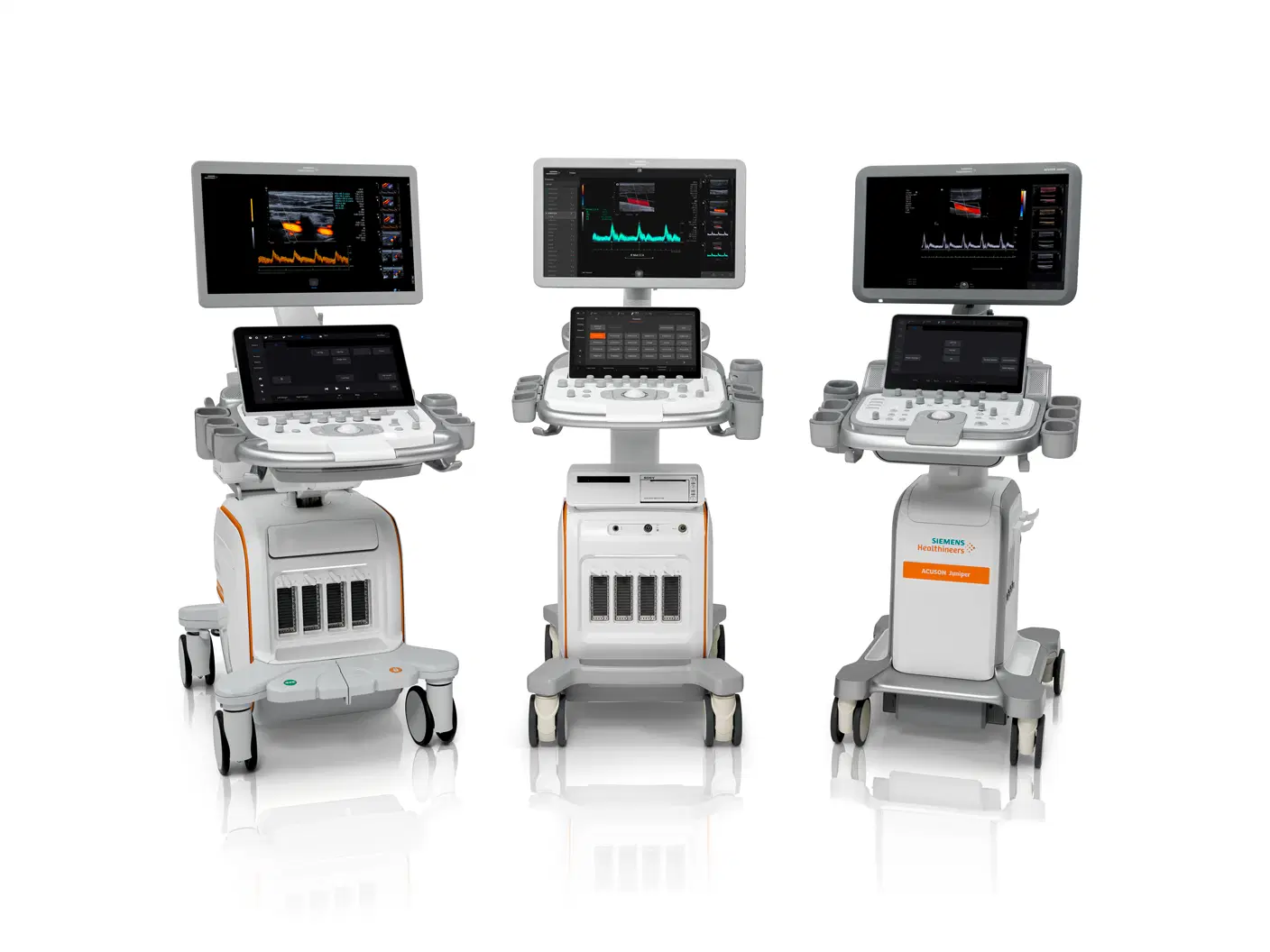
Overview of Sonography Pelvis
Sonography of the pelvis, also known as a pelvic ultrasound, is a non-invasive imaging technique that uses high-frequency sound waves to create real-time images of the organs and structures within the pelvic region. This includes the bladder, and in women, the uterus, ovaries, and fallopian tubes; in men, it includes the prostate gland and seminal vesicles. Unlike X-rays or CT scans, ultrasound does not use ionizing radiation, making it a safe and widely used diagnostic tool, particularly for pregnant women. A small, handheld device called a transducer emits sound waves that travel into the body, bounce off organs, and return as echoes. These echoes are then converted by a computer into visual images displayed on a monitor. The technique allows healthcare providers to assess the size, shape, and structure of these organs, detect abnormalities, and observe blood flow, aiding in the diagnosis and management of various conditions affecting the pelvic area.
Why Sonography Pelvis is Done
A pelvic sonography is performed to investigate a range of symptoms and conditions affecting the pelvic organs in both men and women. In women, it is commonly used to diagnose causes of pelvic pain, abnormal vaginal bleeding, menstrual irregularities, and infertility. It can detect uterine fibroids, ovarian cysts, polyps, endometriosis, and identify ectopic pregnancies. It's also vital for monitoring fetal development during pregnancy. In men, pelvic ultrasound helps evaluate conditions related to the bladder and prostate, such as enlarged prostate (BPH), prostate inflammation (prostatitis), and to check for bladder stones or tumors. For both sexes, it can assess bladder issues, detect fluid collections, and evaluate masses or unexplained pain in the lower abdomen. Its versatility and safety make it a go-to diagnostic tool for initial assessment, guiding further specialized tests if needed, and for monitoring known conditions over time.
Risks
Sonography of the pelvis is considered an extremely safe diagnostic procedure with virtually no known risks. As an ultrasound technique, it exclusively utilizes high-frequency sound waves to generate images, eliminating any exposure to ionizing radiation, unlike X-rays or CT scans. This makes it a particularly safe and favored imaging modality for sensitive populations, including pregnant women and children, where minimizing radiation exposure is paramount. The procedure is non-invasive; it does not involve any needle insertions, surgical incisions, or the use of contrast dyes, which removes associated risks such as infection, bleeding, or allergic reactions to contrast agents. Patients may experience some mild pressure or discomfort from the transducer on their skin or the fullness of the bladder, but this is generally well-tolerated and not described as painful. Consequently, pelvic ultrasound carries no significant risks to the patient and is a widely accepted, safe, and effective diagnostic tool.
How You Prepare
Proper preparation is crucial for an effective pelvic sonography, especially to ensure clear visualization of organs like the bladder, uterus, and ovaries. The most important instruction is to arrive with a full bladder. You will typically be asked to drink several glasses of water (around 32 ounces or 1 liter) approximately one hour before your appointment and to avoid urinating until after the exam. A full bladder pushes bowel loops out of the pelvis, acting as an acoustic window that allows sound waves to pass through more effectively, providing clearer images of the pelvic organs. You generally do not need to fast for a pelvic ultrasound. It's advisable to wear comfortable, loose-fitting clothing. Inform your healthcare provider or the imaging staff about any medications you are taking or any allergies you may have. Following these preparation guidelines will significantly improve the quality of the images obtained during the sonography, leading to a more accurate diagnosis.
What You Can Expect
Before the Test
Before your pelvic sonography, you will receive specific preparation instructions from your healthcare provider or the imaging center. The most critical directive is to ensure you have a full bladder for the examination. This usually involves drinking several glasses of water (e.g., 32 ounces or 1 liter) about one hour before your scheduled appointment and refraining from urinating until the test is complete. A full bladder helps push bowel loops out of the way, improving the visibility of your pelvic organs. You generally do not need to fast unless your doctor advises it for other concurrent tests. Dress in comfortable, loose-fitting clothing. You should inform the sonographer or staff about any allergies or medical conditions you have, or if you are pregnant, to ensure your safety and comfort during the procedure. Arriving a little early allows time for registration and any final preparation.
During the Test
During a transabdominal pelvic sonography, you will typically lie on your back on an examination table. A warm, water-based gel will be applied to your lower abdomen. This gel helps the transducer make good contact with your skin and facilitates the transmission of sound waves. The sonographer will then press a small, handheld transducer firmly against your skin, moving it across different areas of your lower abdomen. You may feel slight pressure or movement, but the procedure is generally painless. As your bladder will be full, you might experience some discomfort or a strong urge to urinate during the scan. You may be asked to hold your breath briefly or change positions to allow for better visualization of specific organs. If a transvaginal ultrasound (for women) or transrectal ultrasound (for men) is also necessary, the procedure will be explained to you, involving the insertion of a smaller, specially designed transducer into the vagina or rectum. The entire scan usually takes between 15 to 30 minutes.
Results
After your pelvic sonography is completed, the gel will be wiped off your skin. The images captured during the examination will then be reviewed and interpreted by a radiologist, a medical doctor specializing in interpreting imaging tests. The radiologist will analyze the size, shape, and structure of your pelvic organs, looking for any abnormalities such as cysts, fibroids, tumors, fluid collections, inflammation, or structural changes. A detailed report of the findings will then be prepared and sent to your referring healthcare provider, usually within a few days. Your doctor will then discuss the results with you, explain what they mean for your health, and recommend any necessary further tests, treatments, or management plans based on the ultrasound findings. In some urgent cases, preliminary findings might be communicated immediately to your doctor to expedite necessary care.