
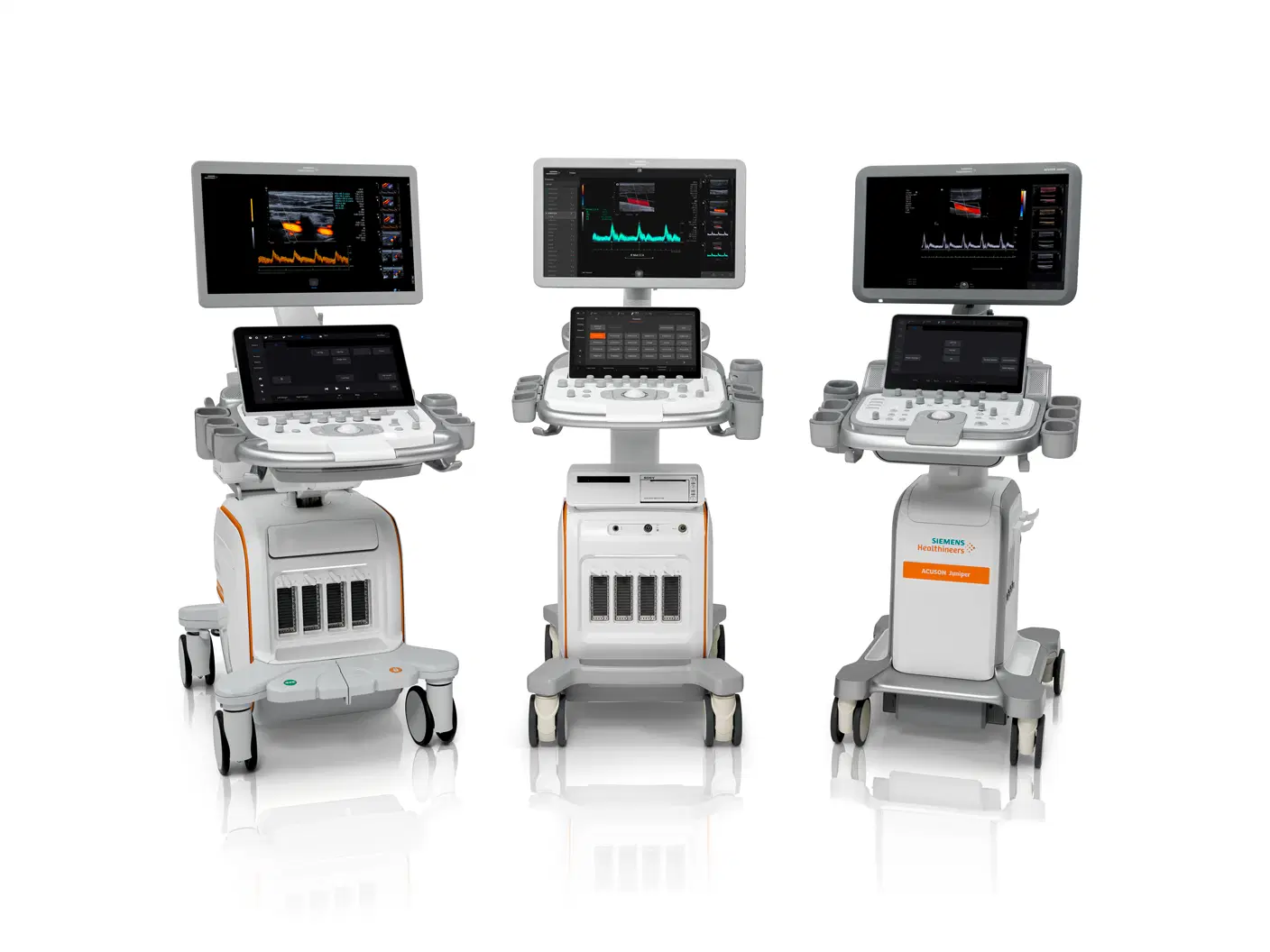
Overview of Sonography (Other Specialized Scans)
Beyond abdominal and pelvic examinations, sonography is a versatile imaging technique used to visualize a wide array of other specific organs and body parts. These "other" specialized scans include, but are not limited to, thyroid ultrasound (to examine the thyroid gland in the neck), breast ultrasound (often used to investigate abnormalities found on mammograms or palpable lumps), musculoskeletal ultrasound (to assess muscles, tendons, ligaments, and joints), vascular ultrasound (to evaluate blood flow in arteries and veins), and obstetrical ultrasounds beyond the nuchal scan (e.g., anatomy scans, growth scans). Each of these targeted examinations employs high-frequency sound waves to create real-time images, providing detailed anatomical and functional information specific to the area of interest. Their non-invasive nature and lack of ionizing radiation make them safe and effective tools for diagnosing, monitoring, and guiding procedures across various medical specialties.
Why Other Specialized Sonography Scans are Done
Other specialized sonography scans are performed to precisely diagnose, evaluate, and monitor specific conditions in various body systems. For instance, a thyroid ultrasound is done to investigate thyroid nodules, goiter, or abnormal thyroid function. A breast ultrasound helps characterize breast lumps, pain, or abnormalities seen on mammograms, distinguishing between cysts and solid masses. Musculoskeletal ultrasound is used for diagnosing tendon tears, muscle strains, ligament injuries, joint effusions, and nerve entrapments. Vascular ultrasound assesses blood clots (e.g., DVT), arterial blockages, aneurysms, and venous insufficiency, often for symptoms like limb swelling or pain. In obstetrics, growth scans beyond the first trimester monitor fetal development, fluid levels, and placental position. These targeted scans provide crucial, detailed information that aids clinicians in making accurate diagnoses, planning appropriate treatments, and monitoring disease progression or treatment response effectively.
Risks
Sonography, including all specialized "other" scans, is widely recognized as an extremely safe diagnostic procedure with virtually no known risks to the patient. This safety profile stems from its fundamental use of high-frequency sound waves, rather than ionizing radiation, to generate images. Consequently, there is no exposure to harmful radiation, making ultrasound a preferred and safe option for repeated examinations, and particularly for sensitive populations such as pregnant women and children. The procedures are non-invasive (though some specialized scans might involve mild pressure), meaning no needles, incisions, or contrast dyes are typically used, thus eliminating associated risks like infection, bleeding, or allergic reactions to contrast agents. Patients may feel slight pressure from the transducer on their skin or the gel applied, but this is generally well-tolerated and not described as painful. Therefore, specialized sonography scans carry no significant health risks and are accepted as safe and effective diagnostic tools across numerous medical applications.
How You Prepare
Preparation for "other" specialized sonography scans varies significantly depending on the specific body part or organ being examined. Many external or superficial scans, such as those for the thyroid, breast, or musculoskeletal structures, typically require no special preparation like fasting or bladder filling. You can eat, drink, and take your medications as usual. However, for certain specialized scans, specific instructions may be necessary. For example, some vascular ultrasounds (e.g., abdominal aorta) might require fasting to reduce gas. For scans of certain pelvic structures (if done transabdominally for specific indications and not covered by a separate "pelvis" section), a full bladder might still be requested. Always ensure you receive and strictly follow the specific instructions provided by your healthcare provider or the imaging center regarding your particular scan. Inform them of any medications you are taking, or any allergies you may have, to ensure the safest and most effective examination.
What You Can Expect
Before the Test
Before your specialized sonography scan, you will receive specific preparation instructions, which will depend entirely on the area of your body being examined. For many "other" scans, such as those of the thyroid, breast, or musculoskeletal regions, no particular preparation like fasting or bladder filling is usually needed. However, if your scan targets an internal organ that can be obscured by food or gas (e.g., certain vascular structures within the abdomen), you might be advised to fast for a few hours prior to your appointment. Always clarify any doubts regarding preparation with your healthcare provider or the imaging center. Dress in comfortable, loose-fitting clothing that allows easy access to the area being scanned. You should inform the sonographer or staff about any allergies, especially to gel, or any discomfort you anticipate, to ensure your comfort during the procedure.
During the Test
During a specialized sonography scan, you will typically lie on an examination table, and your specific position will depend on the area being targeted. A warm, water-based gel will be applied to the skin over the region of interest. This gel helps the transducer make good contact with your skin and facilitates the transmission of sound waves into your body. The sonographer will then press a small, handheld transducer firmly against your skin, moving it around to obtain various views of the specific structure or abnormality. You might feel some pressure from the transducer, but the procedure is generally painless. Depending on the area being scanned, you may be asked to hold your breath for short periods, change positions, or move the relevant body part (e.g., an arm or leg for musculoskeletal scans) to improve visualization. Real-time images will be displayed on a monitor, which the sonographer observes and captures. The duration of the scan can vary but typically ranges from 15 to 45 minutes, depending on the complexity of the examination.
Results
After your specialized sonography scan is completed, the gel will be wiped off your skin. The images captured during the examination will then be thoroughly reviewed and interpreted by a radiologist, a medical doctor specializing in interpreting medical imaging tests. The radiologist will meticulously analyze the targeted organ or area, assessing its size, shape, internal structure, and any identified abnormalities such as nodules, cysts, fluid collections, inflammation, tears, or blockages. A detailed report of these findings will then be prepared and securely transmitted to your referring healthcare provider, usually within a few days. Your doctor will then discuss the results with you, explain what the findings mean for your health, and recommend any necessary further tests, treatments, or management plans based on the precise information obtained from the specialized ultrasound. In some cases, if urgent or critical findings are identified, preliminary results may be communicated to your doctor promptly for immediate action.