
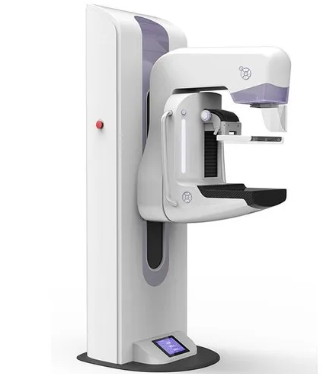
Overview
Mammography is a specialized medical imaging technique that uses low-dose X-rays to visualize the internal structures of the breast. It plays a critical role in the early detection and diagnosis of breast diseases, most notably breast cancer. During the procedure, the breast is gently compressed between two plates to flatten the tissue, allowing for a clearer image and reducing the amount of radiation exposure. This compression, though brief and sometimes uncomfortable, is essential for obtaining high-quality images that can reveal subtle changes in breast tissue, such as tiny calcifications or small masses, that might be too small to feel during a physical examination.
Why it's done
Mammography is primarily performed for two main reasons: screening and diagnosis. Screening mammograms are routine tests for women who have no breast symptoms, aiming to detect cancer early when it's most treatable. Diagnostic mammograms are performed when a woman has breast symptoms (like a lump, pain, or nipple discharge) or when a screening mammogram shows an area of concern. Early detection significantly increases the chances of successful treatment and survival. It helps identify abnormalities such as lumps, calcifications, or other changes that could indicate cancer.
Risks
Mammography involves exposure to a very small amount of radiation, similar to background radiation exposure from everyday life. The benefits of early breast cancer detection significantly outweigh this minimal risk. For pregnant women, alternative imaging methods might be considered, or special precautions will be taken. There are no known significant risks associated with the compression of the breast during the procedure beyond temporary discomfort.
How you prepare
On the day of your mammogram, please avoid wearing deodorant, antiperspirant, or lotions on your underarms or breasts. These products can contain substances that may show up on the X-ray as calcium spots, which can mimic abnormalities. Be sure to inform your technologist if there is any chance you might be pregnant. It's also helpful to bring any previous mammogram images or reports if you've had them done at a different facility, as comparing them can provide valuable information.
What you expect
During the test
During a mammogram, you will stand in front of an X-ray machine. A technologist will help you position your breast, one at a time, on a special platform. A clear plastic plate will then gently but firmly press down on your breast for a few seconds. You will feel pressure, and some women experience temporary discomfort, but it is usually not painful and lasts only for a very brief time. This compression is crucial for getting clear images and reducing radiation. Two views of each breast are typically taken: one from top to bottom and one from side to side.
After the test
Once the images are taken, the technologist will review them to ensure they are clear and complete. You can then get dressed and resume your normal activities immediately. There are no lasting side effects from a mammogram. If any further images or tests are needed, your clinic will contact you to schedule a follow-up appointment. Try not to worry if you are called back; it often means a clearer picture is needed, not necessarily that there is a problem.
Results
A radiologist, a doctor specially trained to interpret medical images, will analyze your mammogram images. The results will typically be sent to your referring doctor within a few days. Your doctor will then contact you to discuss the findings and what they mean for your health. If any abnormalities are detected, your doctor will explain the next steps, which might include additional imaging, a biopsy, or further consultation with a specialist.