
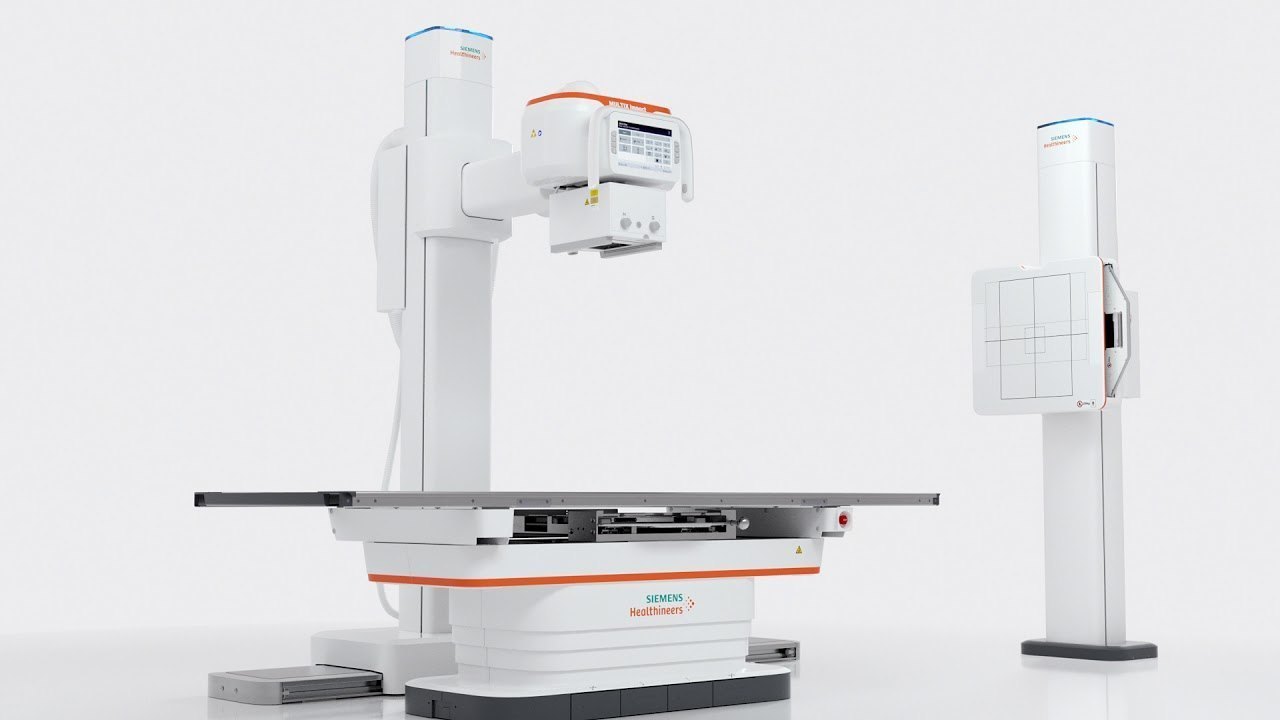
Overview of X-ray Barium Swallow
An X-ray Barium Swallow, also known as a barium esophagram or esophagogram, is a specialized imaging test that uses X-rays to visualize the esophagus, the muscular tube that connects your throat to your stomach. To make the esophagus visible on X-rays, you will drink a liquid called barium. Barium is a white, chalky, metallic compound that coats the inside of the esophagus, making its shape and function apparent on X-ray images. The X-ray machine then takes a series of images or a continuous video (fluoroscopy) as you swallow the barium. This allows radiologists to observe the movement of the barium through your esophagus in real-time, identifying any structural abnormalities, functional problems with swallowing, or blockages. It is a non-invasive procedure, except for the ingestion of barium, and is a key tool in diagnosing a variety of conditions affecting the swallowing tube.
Why an X-ray Barium Swallow is Done
An X-ray Barium Swallow is performed to investigate a range of symptoms and conditions related to the esophagus and swallowing. It is commonly ordered to diagnose the cause of difficulty swallowing (dysphagia), painful swallowing (odynophagia), persistent heartburn, unexplained chest pain, or recurrent regurgitation of food. Conditions it helps detect include hiatal hernia, gastroesophageal reflux disease (GERD), esophageal strictures (narrowing), esophageal spasms, achalasia (a disorder affecting the esophagus's ability to move food), diverticula (pouches in the esophageal wall), and tumors or polyps. It can also identify foreign bodies lodged in the esophagus. By observing how the barium moves, radiologists can assess the muscular function of the esophagus, identify any obstructions, or pinpoint structural abnormalities that might be contributing to a patient's symptoms, guiding further treatment or investigation.
Risks
An X-ray Barium Swallow involves exposure to ionizing radiation and the ingestion of barium. While the radiation dose is generally low, there is a small theoretical risk of cell damage. Modern X-ray equipment minimizes this exposure. For pregnant women or those who suspect they might be pregnant, it is crucial to inform the doctor and technologist, as the procedure is generally avoided during pregnancy due to potential risks to the fetus. The primary risks associated with the barium itself are mild and temporary side effects like constipation or chalky stools, which can be managed by drinking plenty of fluids after the test. In rare cases, barium can cause an allergic reaction (itching, rash, swelling) or, more seriously, it might be aspirated into the lungs (especially in patients with severe swallowing difficulties) or cause a bowel obstruction if there's a pre-existing narrowing. The procedure itself is non-invasive and generally well-tolerated.
How You Prepare
Proper preparation is crucial for an accurate X-ray Barium Swallow examination. You will typically be required to fast for at least 6 to 8 hours before the procedure. This means no food or drinks (including water, chewing gum, or candy) during this period. Fasting ensures that your esophagus is clear of any residual food particles, which could interfere with the barium coating and obscure abnormalities. You should inform your doctor about all medications you are currently taking, including prescription drugs, over-the-counter remedies, and supplements. Your doctor may advise you to temporarily stop certain medications, particularly those that affect digestion or swallowing. It is vital to inform your doctor and the X-ray technologist if you are pregnant or suspect you might be, as the procedure involves radiation and is typically not performed during pregnancy. Following these instructions carefully helps optimize image quality and diagnostic accuracy.
What You Can Expect
Before the Test
Before your X-ray Barium Swallow, you will receive specific preparation instructions from your healthcare provider or the imaging center. The most important directive is to fast for at least 6 to 8 hours prior to your appointment; this means absolutely no food or drink, including water. This ensures your esophagus is empty for clear imaging. You will be asked to remove any metal objects, such as jewelry, eyeglasses, or dentures, that might interfere with the X-ray images, and you may be provided with a hospital gown to wear. It is essential to inform the technologist if you are pregnant or think you might be pregnant, as the procedure involves radiation. The technologist will explain the procedure and answer any questions, aiming to ensure your comfort and understanding before you begin.
During the Test
During the X-ray Barium Swallow, you will typically stand or lie on an X-ray table, which may be tilted at various angles. The radiologist or technologist will give you a cup containing the barium liquid, which is usually thick and flavored to make it easier to drink. You will be instructed to take sips of the barium and swallow it when prompted. As you swallow, the radiologist will use a special X-ray machine called a fluoroscope to observe the barium's movement through your esophagus in real-time, capturing a series of still images or a video. You may be asked to hold your breath briefly, change positions, or swallow small amounts of food (like a cracker) coated in barium to assess different aspects of your swallowing function. The entire procedure usually takes about 15 to 30 minutes, though it can vary.
Results
After your X-ray Barium Swallow is completed, the radiologist will review the images and/or video captured during the procedure. They will analyze the structure, shape, and muscular function of your esophagus as the barium travels through it. The radiologist will look for any abnormalities such as narrowing (strictures), inflammation, spasms, pouches (diverticula), tumors, or signs of reflux (barium flowing back into the esophagus from the stomach). They will also assess for any problems with the coordination of your swallowing muscles. A detailed report of these findings will then be prepared and sent to your referring healthcare provider, usually within a few days. Your doctor will then discuss the results with you, explain what they mean for your symptoms, and recommend any necessary further tests, treatments, or management plans based on the barium swallow findings. You will be advised to drink plenty of fluids after the test to help flush the barium from your system.