
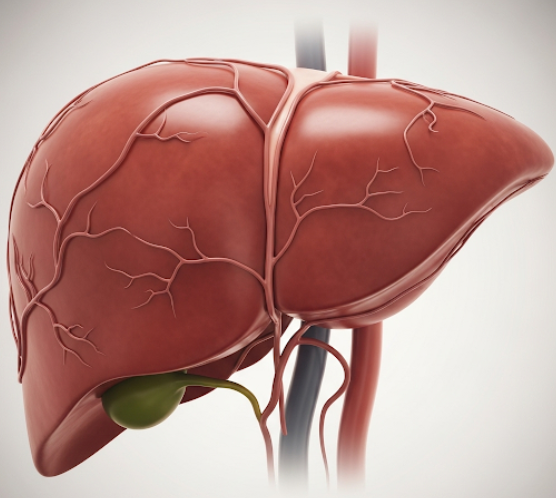
Overview of the GGT/ALT Ratio Test
The GGT/ALT ratio combines two key liver enzymes, Gamma-Glutamyl Transferase (GGT) and Alanine Aminotransferase (ALT), to provide a more nuanced assessment of liver health. ALT is primarily found in the liver and is considered a highly specific indicator of hepatocellular injury or inflammation. GGT, while also present in the liver and bile ducts, can be elevated due to various factors, including alcohol consumption, certain medications, and oxidative stress, making it a sensitive but less specific marker on its own. The ratio of GGT to ALT can offer deeper insights into the underlying cause of liver enzyme abnormalities, helping to differentiate between types of liver disease, such as alcoholic liver disease versus non-alcoholic fatty liver disease, or to assess the severity of liver damage and fibrosis. This ratio is increasingly recognized as a valuable prognostic and diagnostic tool in hepatology.
Why the GGT/ALT Ratio Test is Done
The GGT/ALT ratio test is performed to provide a more specific diagnostic picture when liver enzyme abnormalities are detected. While individual elevations of ALT often signal liver cell damage (hepatocellular injury) and GGT can indicate bile duct issues or alcohol-related damage, their ratio offers a distinct diagnostic advantage. For example, a high GGT/ALT ratio, particularly when accompanied by an elevated AST/ALT ratio, strongly suggests alcoholic liver disease. In contrast, in non-alcoholic fatty liver disease (NAFLD), the ALT is often higher than GGT in early stages. This ratio also helps in identifying chronic liver conditions and assessing the progression of fibrosis or cirrhosis. By providing a composite view, the GGT/ALT ratio assists clinicians in distinguishing between different etiologies of liver injury, monitoring disease progression, evaluating treatment effectiveness, and identifying individuals at higher risk for severe liver complications like cirrhosis or hepatocellular carcinoma.
Risks
The GGT/ALT ratio is derived from two standard blood tests (GGT and ALT), meaning the risks associated with this assessment are minimal and are inherent to any routine blood draw (venipuncture). These common, minor risks include a brief stinging sensation or tenderness at the puncture site, typically in the arm. A small bruise may form where the needle was inserted, which usually resolves within a few days without further intervention. Very rarely, individuals might experience temporary lightheadedness or dizziness during or after the blood collection. Extremely uncommon complications, such as a hematoma (a localized collection of blood under the skin) or an infection at the puncture site, can occur but are exceedingly rare when proper sterile techniques are followed by the healthcare professional performing the blood draw. It is important to inform the healthcare provider if you are taking anticoagulant medications (blood thinners), as this might slightly increase the risk of bruising or bleeding. Overall, the blood collection procedure for the GGT/ALT ratio is considered a very safe diagnostic test.
How You Prepare
Accurate preparation for the GGT/ALT ratio test is crucial, as the levels of both enzymes can be influenced by various factors. It is generally recommended to fast for at least 8 to 12 hours before the blood draw. Fasting means abstaining from all food and beverages except plain water. This is particularly important for GGT levels, as alcohol consumption can significantly elevate them. Therefore, it is critical to avoid alcohol for at least 24 hours, and ideally 48 hours, prior to the test. You must also inform your healthcare provider about all medications you are currently taking, including prescription drugs, over-the-counter remedies, vitamins, and herbal supplements. Certain medications, such as acetaminophen, NSAIDs, some antibiotics, and anticonvulsants, are known to affect GGT and ALT levels. Your doctor may advise temporary adjustments or discontinuation of some medications, but never alter your medication regimen without explicit instruction from your physician. Smoking can also influence GGT levels, so avoiding it before the test is advisable for optimal accuracy.
What You Can Expect
Before the Test
Before your GGT/ALT ratio liver test, your healthcare provider will give you precise instructions to ensure the most accurate results. The most important preparation involves fasting for at least 8 to 12 hours prior to your appointment. During this fasting period, you are only allowed to drink plain water; all food, sugary drinks, coffee, tea, and other beverages must be strictly avoided. It is especially critical to refrain from alcohol consumption for at least 24 to 48 hours before the blood draw, as alcohol can significantly elevate GGT levels and skew the ratio. You should openly communicate with your doctor about all medications, including any prescription drugs, over-the-counter remedies, vitamins, and herbal supplements you are currently taking. Certain medications are known to influence liver enzyme levels, and your physician might advise temporary adjustments or discontinuation of some; however, you must never make any changes without explicit direction from your doctor. Additionally, avoid strenuous physical activity immediately preceding the test, as it can sometimes affect enzyme levels.
During the Test
During the blood collection for your GGT/ALT ratio test, the procedure is straightforward and consistent with any routine blood draw. You will be seated comfortably, typically with your arm extended and resting on an armrest. A trained healthcare professional, such as a phlebotomist or a nurse, will identify a suitable vein for drawing blood, most commonly found on the inside of your elbow or on the back of your hand. The chosen area of your skin will be thoroughly cleaned with an antiseptic solution to ensure sterility and minimize any potential risk of infection. To make the vein more visible and accessible, a tourniquet may be gently tied around your upper arm; this temporarily increases blood flow and causes the vein to swell slightly. Once the vein is prepared, a sterile, single-use needle will be carefully inserted. You may experience a brief, sharp prick or a mild stinging sensation as the needle penetrates your skin. Blood will then be steadily drawn into one or more small collection tubes. The actual collection process is usually very quick, typically lasting only a few minutes. After the necessary amount of blood has been collected, the tourniquet will be released, and the needle smoothly withdrawn. Pressure will then be applied to the puncture site with a cotton ball or gauze to help stop any bleeding and prevent bruising.
Results
After your blood sample for the GGT/ALT ratio test is collected, it will be sent to a medical laboratory for analysis to determine your individual GGT and ALT enzyme levels. Once these values are obtained, the GGT/ALT ratio will be calculated. The results, typically presented as a numerical value for the ratio along with the individual enzyme levels, will then be securely transmitted to your healthcare provider, usually within a few days. Your doctor will interpret your specific GGT/ALT ratio in the broader context of your complete medical history, reported symptoms, other liver function tests, and any known risk factors. While specific normal ranges can vary between laboratories, a high GGT/ALT ratio (often >1) may indicate alcoholic liver disease, advanced fibrosis/cirrhosis in NAFLD, or cholestatic liver injury. Conversely, a lower ratio might suggest acute viral hepatitis or drug-induced liver injury, where ALT is often disproportionately higher. Your healthcare provider will discuss your results with you, explaining their significance for your liver health and recommending appropriate next steps for diagnosis, treatment, or management.